Last updated November 21, 2026
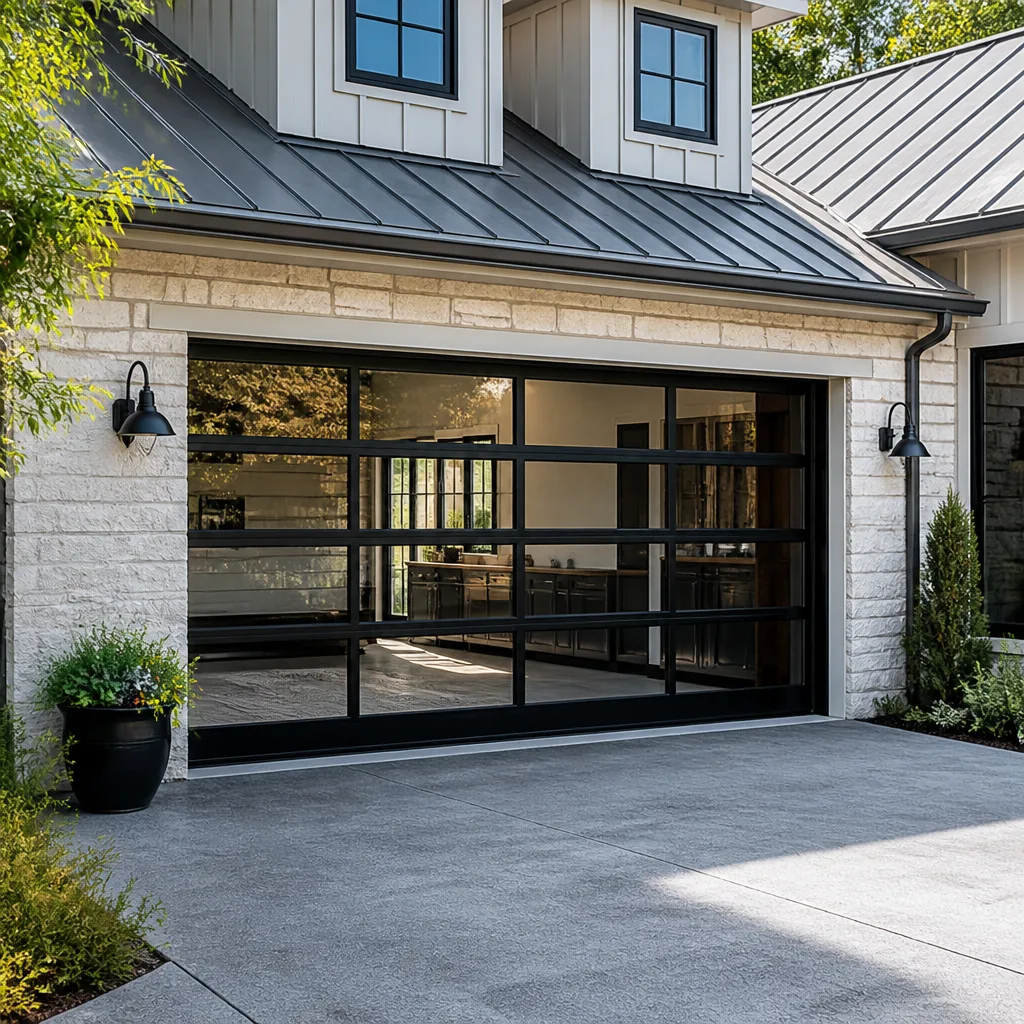 Full-view glass
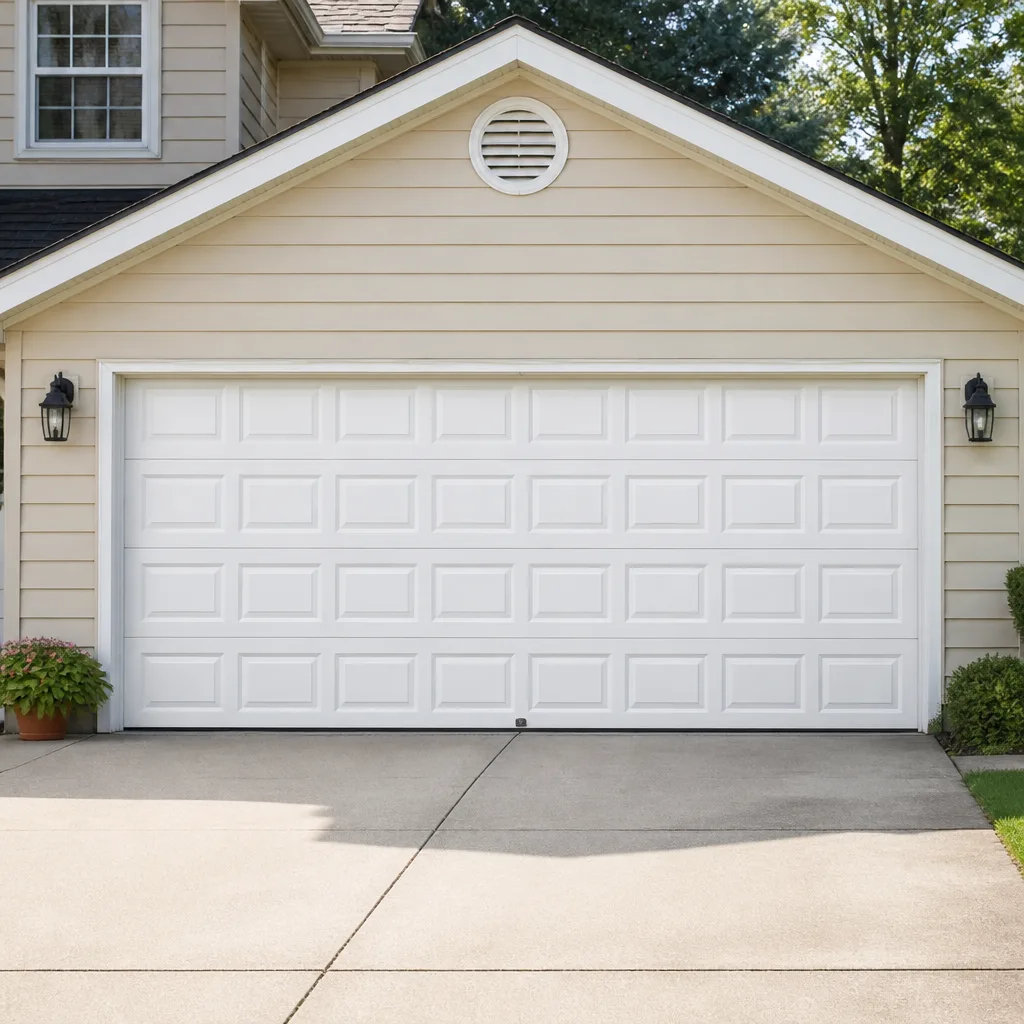 Raised-panel steel
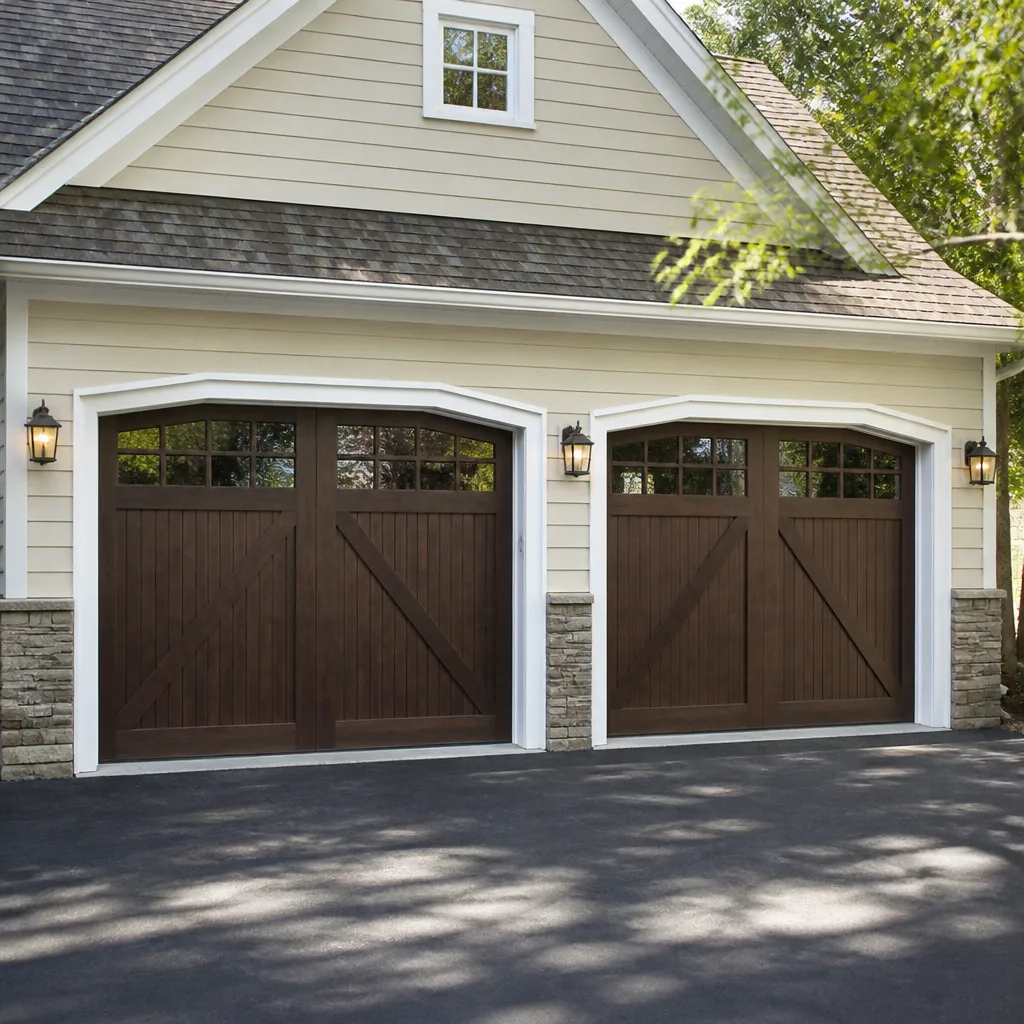 Carriage house
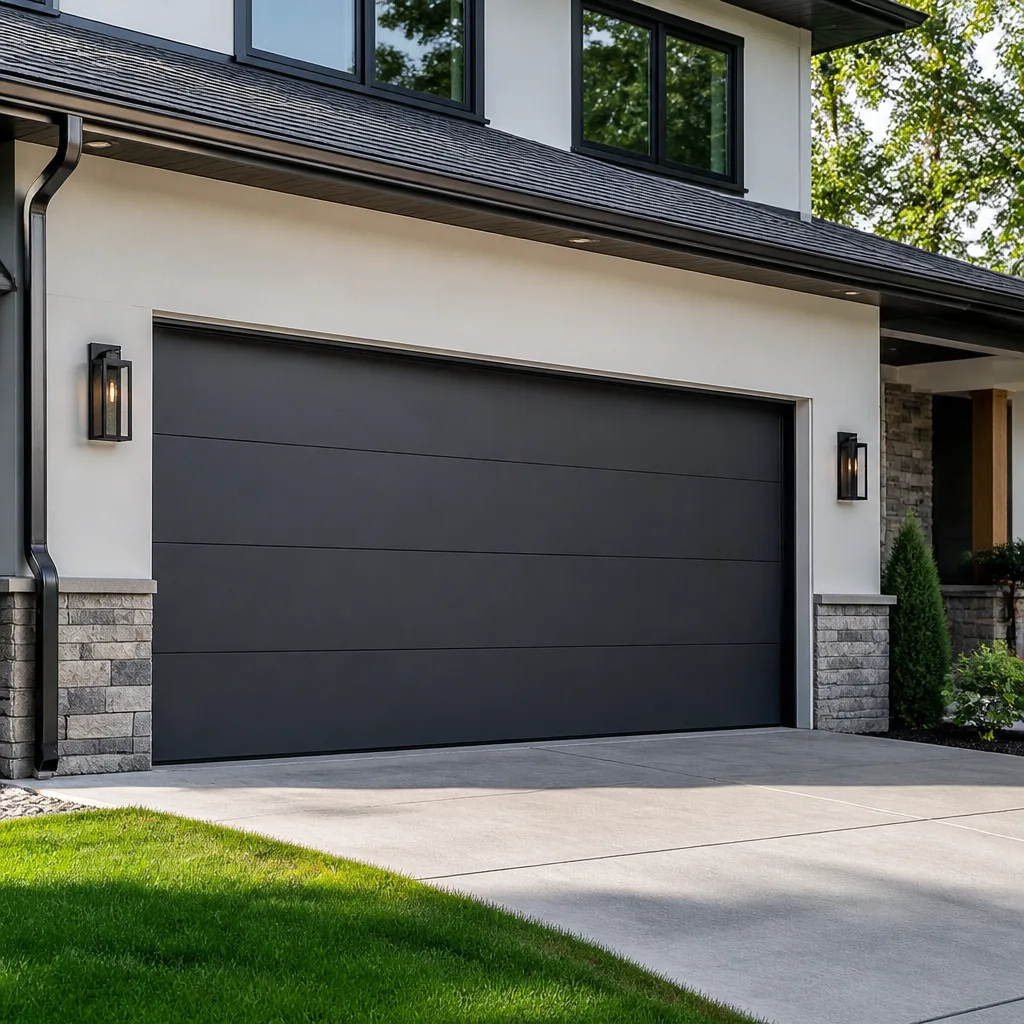 Modern flush
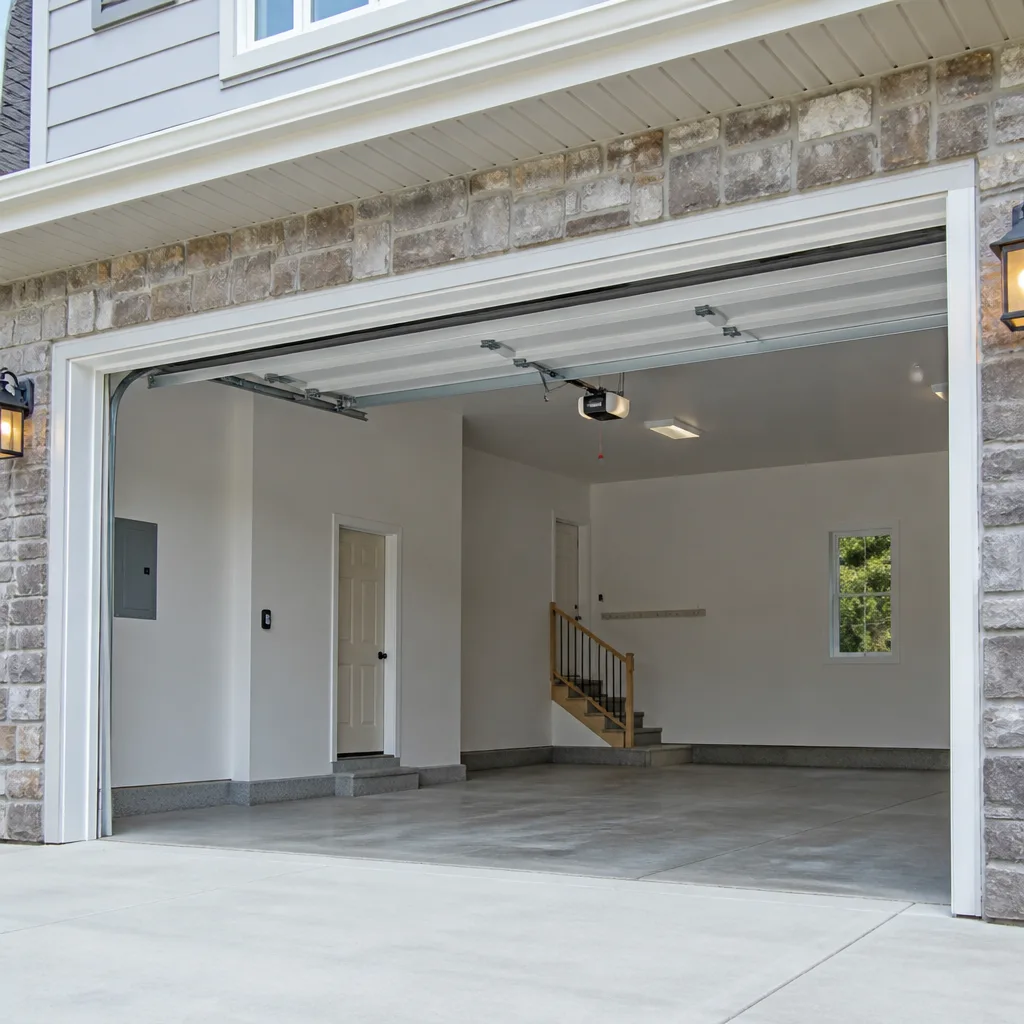 LiftMaster openers
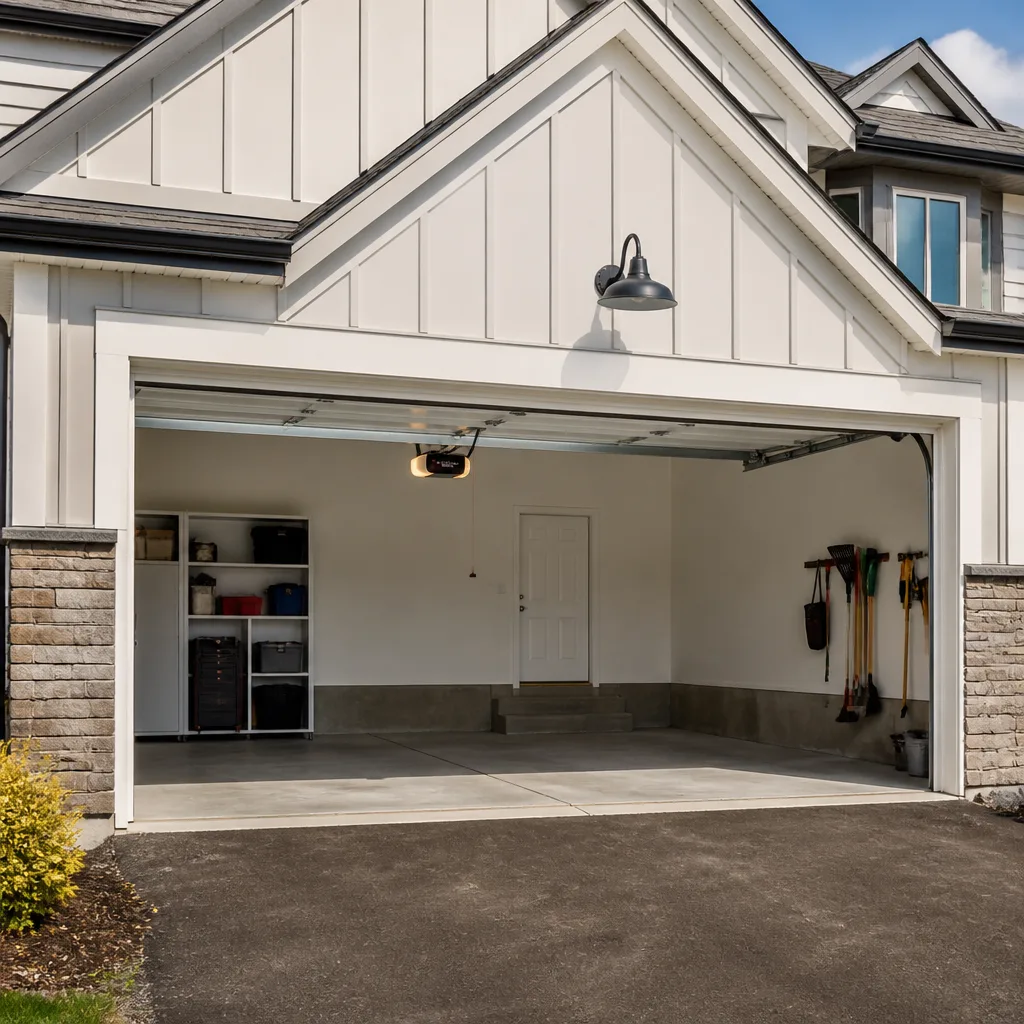 Chamberlain openers
Full 25-point door and opener safety check with every visit - springs, cables, rollers, tracks, and your LiftMaster or Chamberlain opener included
You get a price before we start. It does not change when the pro arrives.
Get your free estimateGarage Door Repair Maintenance Checklist for Soundview Homeowners
Lubricating a garage door on a fixed schedule without checking tension and balance first is like rotating the tires on a car with a bent axle. You’re carefully maintaining a system that’s already working against itself. Most checklists tell you to oil the chain, tighten some bolts, and call it a season. That routine feels productive, but it hides the real story your door is telling you. A door that’s out of balance wears out springs, rollers, and the opener motor faster than any lack of grease ever will. This guide teaches you to listen to your door instead of just servicing it on autopilot. You’ll learn the balance test, which parts wear fastest in Soundview’s freeze-and-thaw winters, how to lubricate without overdoing it, and how to log what you notice so a technician can diagnose a problem in minutes instead of an hour.
Quick Answer
A sound garage door maintenance routine for Soundview homeowners has three parts: a monthly balance and safety check (lift the door halfway, let go, confirm it holds), lubrication of springs, hinges, and rollers two to four times a year with a proper garage door lubricant, and a yearly inspection of cables, bottom weatherstripping, and hardware. Checking balance before lubricating matters most. If the door drifts or slams, the springs are out of adjustment and no amount of oil will fix that.
Styles & brands we work with
- Raised-panel steel
- Carriage house
- Modern flush
- Full-view glass
- LiftMaster openers
- Chamberlain openers
Table of Contents
- The Balance Test: Do This Before Anything Else
- What Wears Fastest in Soundview’s Climate
- Lubrication Done Right (and Overdone Wrong)
- The Safety Checks That Actually Matter
- Seasonal and Post-Outage Checks
- Keeping a Maintenance Log That Helps
- Your Monthly, Seasonal, and Yearly Checklist
- Common Mistakes to Avoid
The Balance Test: Do This Before Anything Else
The balance test tells you whether your door’s springs are doing their job. Springs carry the door’s weight. When they lose tension, the opener motor picks up the slack, and that’s when you start hearing strain, stuttering, or a door that creeps down on its own. Before you touch a lubricant or tighten a single bolt, run this test.
- Close the door and disconnect the opener using the manual release cord (usually a red handle).
- Lift the door by hand to about waist height, halfway open.
- Let go gently and watch.
- A balanced door stays put or drifts only slightly. A door that drops fast, or rises on its own, is out of balance.
What the result means: a door that falls means the springs have lost tension and need adjustment or replacement. A door that rises on its own means the springs are wound too tight. Either way, this is spring work, and springs are the one part of a garage door that should never be adjusted by a homeowner. Torsion springs are under extreme tension and can cause serious injury if they slip. If your balance test fails, stop there and call a specialist for spring service.
Run the balance test monthly, and also any time the door starts sounding different. In Soundview, where winter cold stiffens grease and summer heat loosens it, a door that passed in October may fail in February. Catching an out-of-balance door early usually means a spring adjustment. Catching it late often means a full spring replacement plus extra wear on the opener. For anyone who’d rather have a trained eye do the test and the follow-up repair, garage door repair covers balance issues, spring adjustment, and the hardware that goes with it.
What Wears Fastest in Soundview’s Climate
Not every component ages at the same rate, and Soundview’s weather pushes two parts to the front of the line: nylon rollers and the bottom weatherstripping. Understanding why helps you check the right things instead of giving equal attention to parts that rarely fail.
Rollers
Rollers take a beating from temperature swings. In cold months, the grease inside older metal rollers thickens, and the roller skids along the track instead of rolling. That flat-spotting creates noise and vibration, and it wears the track. Nylon rollers handle cold better than metal ones, but they still crack and flatten over time. Inspect rollers every few months. Look for flat spots, cracks, and wobble. Rollers that no longer roll smoothly should be replaced as a set, not one at a time.
Bottom Weatherstripping
The rubber seal along the bottom of the door is the part most exposed to the elements. It compresses against the floor every single time the door closes. Freeze-and-thaw cycles harden the rubber, and eventually it cracks or tears. A worn bottom seal lets in cold air, water, and pests. Check it by looking for gaps when the door is closed and by feeling for brittleness. Replacing bottom weatherstripping is a straightforward job that most homeowners put off too long.
Cables, Hinges, and Tracks
Cables fray over time and should be inspected for wear, never adjusted by a homeowner. Hinges loosen and squeak. Tracks collect debris and can bend if something strikes the door. Check these during your seasonal walkthroughs. For more on how each of these failure points shows up in Soundview homes, see our full breakdown of Garage Door Repair Soundview.
Lubrication Done Right (and Overdone Wrong)
Over-lubrication is more common than under-lubrication, and it does real damage. Too much lubricant attracts dust and grit, which turns into a sticky paste that grinds away at rollers and tracks. The goal isn’t a wet, shiny door. It’s a thin, even film on the parts that need it and nothing on the parts that don’t.
What to Lubricate
- Springs: a light coat reduces friction and noise.
- Hinges: a drop at each pivot point.
- Roller stems and bearings: not the roller surface itself.
- Lock and latch mechanisms: if your door has them.
What Not to Lubricate
- Tracks: tracks should stay clean and dry. Lubricant on a track collects grime and causes the rollers to slip.
- The opener rail’s belt or chain: follow the opener manufacturer’s guidance. Many belts and chains come pre-lubricated or should stay dry. If you’re unsure what your Genie or LiftMaster opener needs, that’s a question for a technician rather than a guess.
- Photo-eye lenses: wipe them clean, but never apply lubricant.
How Often
Two to four times a year is enough for most Soundview doors, timed to the seasons. Lubricate in late fall before the cold sets in and again in spring after the freeze-thaw cycle ends. Wipe away any excess with a clean rag. If you see drips or buildup, you used too much. Always use a lubricant made for garage doors rather than household oil or WD-40, which can attract dust and dry out rubber components.
The Safety Checks That Actually Matter
Safety checks are where maintenance earns its keep. These are the tests that catch a failure before it becomes an injury, and they take less than five minutes.
- Photo-eye test: with the door open, wave an object between the two sensors near the floor. The door should reverse or refuse to close. If it closes anyway, the opener’s safety system isn’t working and needs repair.
- Force test: place a roll of paper towels or a piece of wood flat on the floor under the closing door. The door should reverse on contact. If it presses down, the opener’s force limit is set too high.
- Cable inspection: look at the cables along the sides of the door. Frayed, kinked, or rusted cables are a warning sign. Never touch or try to adjust a cable under tension.
- Hardware check: tighten loose bolts on hinges and brackets by hand. If something is stripped or a bracket is bent, that’s a repair, not a maintenance item.
- Track alignment: the door should move smoothly without the rollers riding up on the track edges. Grinding or jumping means a track problem.
If any of these checks fail, don’t keep cycling the door to “see if it fixes itself.” Repeated operation of a failing door accelerates wear on the opener and can turn a small repair into a bigger one. Safety-critical failures like a broken spring, a snapped cable, or a door that won’t reverse belong with a trained professional. If you need that help now, our garage door opener repair service covers the safety sensors, force settings, and reversing systems that keep a door safe to use.
Seasonal and Post-Outage Checks
Extreme temperature swings and power outages are the two events that stress a garage door system the most. Soundview sees both, sometimes in the same week. After either, run these three checks before you assume everything is fine.
After a Power Outage
- Re-engage the opener properly. Pull the release cord, run the opener once, and let it reconnect the carriage to the rail. Many homeowners force it by hand and damage the carriage.
- Test the safety reverse. Power outages can reset opener limits. Confirm the photo-eye and force tests still work before you rely on the door.
- Check the travel limits. The door should open fully and close fully. If it stops short or reverses halfway, the opener’s travel settings need attention.
After an Extreme Temperature Swing
- Listen for new noise. Cold stiffens grease. If the door suddenly groans, the lubrication may need refreshing, or a roller may have flattened.
- Check the bottom seal. Freeze-thaw cycles are hard on rubber. Look for cracks and gaps at the floor line.
- Run the balance test. Springs change tension with temperature. A door that passed last month may now drift or rise. If it fails, call for spring service before the opener takes the strain.
These three checks catch the most common post-event problems before they compound. If a power outage leaves your door stuck halfway and you can’t safely resolve it, emergency service is worth calling rather than forcing the door. A stalled carriage or a misaligned track is quicker to fix than the damage caused by yanking the door free by hand.
Keeping a Maintenance Log That Helps
Most homeowners don’t keep any record of their garage door, and that costs them. A short, consistent log lets a technician skip the guesswork. It also helps you spot patterns, like a door that gets noisy every January or a seal that fails every other spring.
What to Record
- Date of each check and what you did (balance test, lubrication, visual inspection).
- Balance test result: stays put, drifts down, rises, or drops fast.
- Noise changes: new squeaks, grinding, or popping and where they seem to come from.
- Roller condition: flat spots, cracks, wobble.
- Bottom seal condition: gaps, cracks, brittleness.
- Opener behavior: any change in speed, reversing, or travel.
- Any repair or part replacement and the date.
Why It Helps
When you call for service, a clear log tells the technician what’s been happening. Instead of starting from zero, they can narrow down whether the problem is a spring, a roller set, a cable, or the opener itself. Recent repairs also matter. If a spring was replaced, knowing the date helps diagnose a follow-up issue faster. Patterns matter more than single events. A door that squeaks once is nothing. A door that squeaks every time the temperature drops below freezing is a specific, diagnosable problem.
You don’t need an elaborate system. A notes app on your phone or a sheet on the garage wall works fine. The point is consistency, not detail. Five minutes a month builds a record that pays off when something actually breaks. When a repair does come up, having that log handy makes the conversation with a technician much shorter. That’s part of the thinking behind our repair process for Soundview homeowners: we’d rather work from your observations than start blind.
Your Monthly, Seasonal, and Yearly Checklist
Here’s the whole routine in one place, organized by frequency. Cover the monthly checks every four weeks. Handle the seasonal work at the start of fall and the start of spring. Do the yearly items once, ideally before winter.
Monthly (10 minutes)
- Run the balance test.
- Test the photo-eye safety reverse.
- Check the force reverse with an object on the floor.
- Listen for new sounds while the door cycles.
- Note anything unusual in your log.
Seasonal (30 minutes, twice a year)
- Lubricate springs, hinges, and roller stems with garage door lubricant.
- Wipe down tracks with a dry cloth. No lubricant on tracks.
- Inspect rollers for flat spots and cracks.
- Inspect bottom weatherstripping for cracks and gaps.
- Look at cables for fraying. Do not touch cables under tension.
- Tighten loose hinge and bracket bolts.
Yearly (once, before winter)
- Full inspection of springs, cables, tracks, and the opener’s moving parts.
- Check that the door is level and the tracks are aligned.
- Review the year’s log for patterns and recurring issues.
- Book a professional inspection if the door is handling poorly or the log shows repeating problems.
When you eventually need new hardware or a door replacement, our garage door installation covers replacing doors from brands like Clopay, Amarr, and Wayne Dalton. A well-maintained door usually outlives its opener, so knowing which part is actually failing saves money over the long run.
Common Mistakes to Avoid
- Lubricating before checking balance. If the springs are out of balance, oiling the door masks the noise without fixing the cause. Run the balance test first, every time.
- Greasing the tracks. This is the single most common mistake. Lubricant on tracks traps grime, and the rollers start skidding. Clean tracks, dry tracks.
- Over-lubricating springs and hinges. A thin film is enough. Excess lubricant drips, attracts dust, and can stain concrete or door panels.
- Adjusting springs yourself. Torsion springs are under extreme tension, and adjusting them without training can cause serious injury. This is the one job to leave to a professional, even in a maintenance routine.
- Ignoring the bottom seal. Homeowners notice a noisy door before they notice a cracked seal. A worn bottom seal costs you on heating, lets in pests, and can crack in Soundview’s cold snaps.
- Skipping the log. Without a record, every repair conversation starts from scratch. A few lines a month turns a technician’s diagnosis into a quick check.
- Cycling a door that’s failing. Testing a door that’s grinding, jumping, or reversing is common, but it accelerates wear. If a check fails, stop and call for service rather than running the door repeatedly.
See the difference
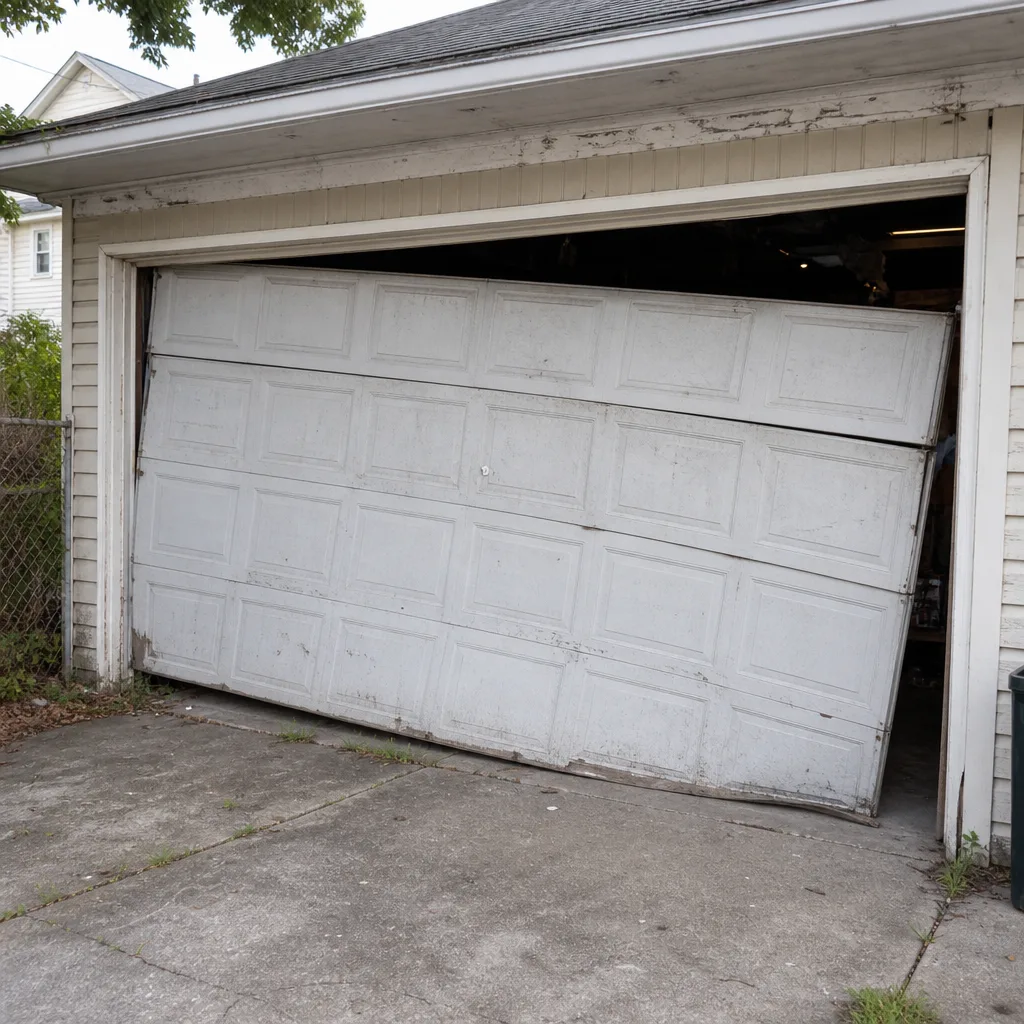 Before
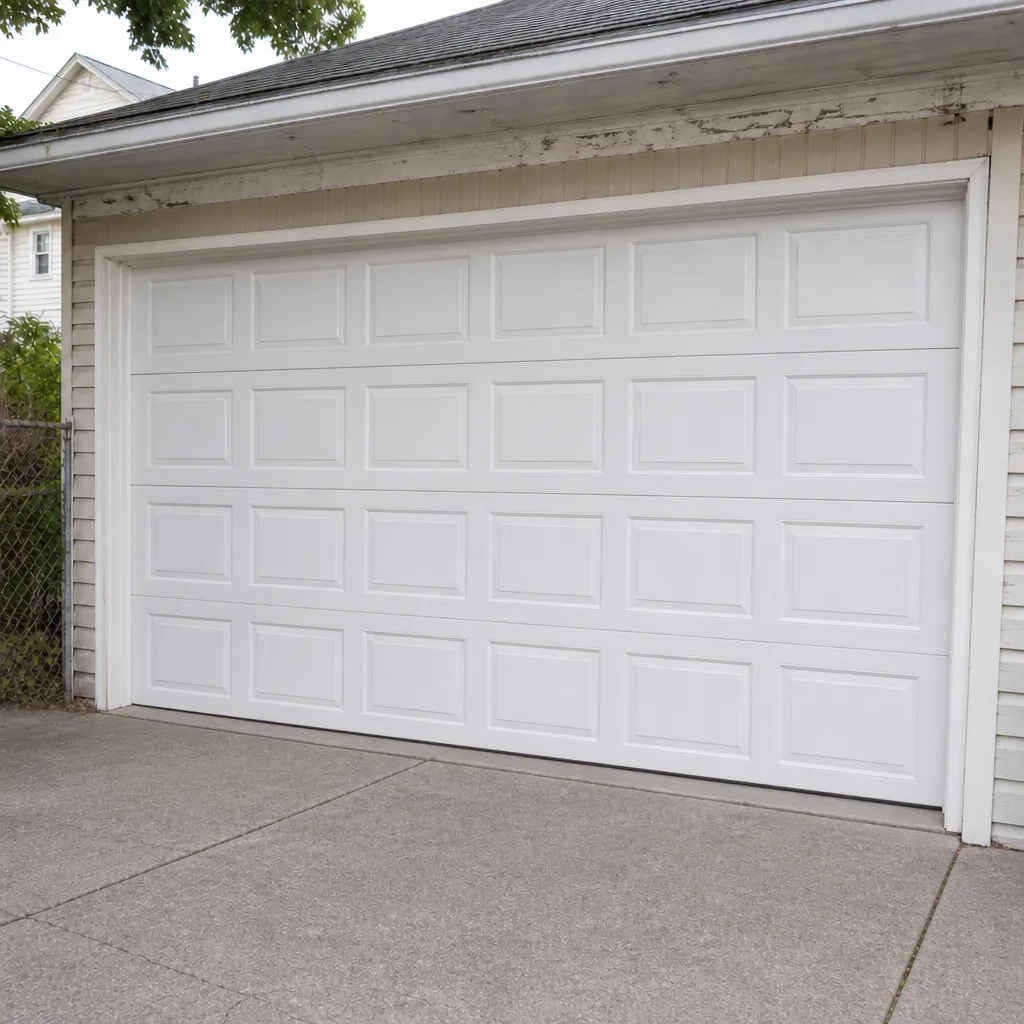 After
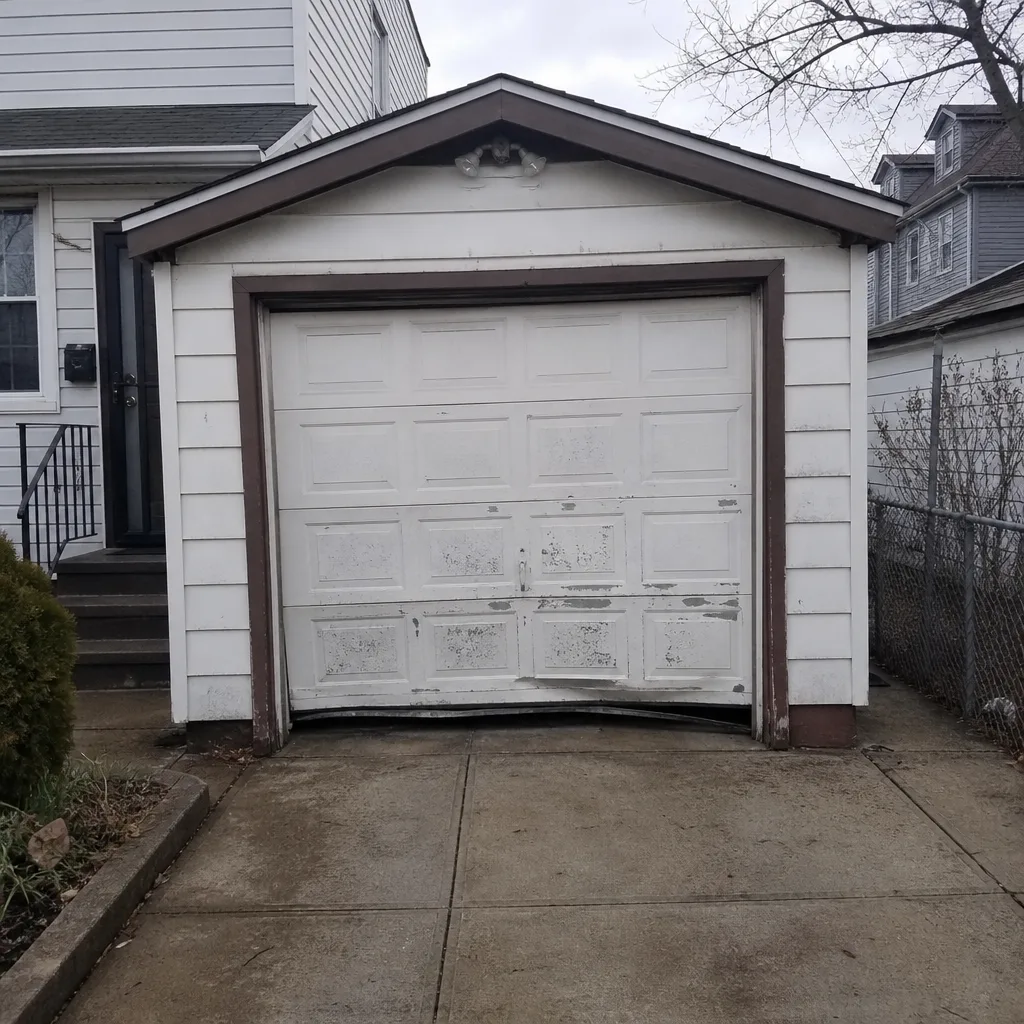 Before
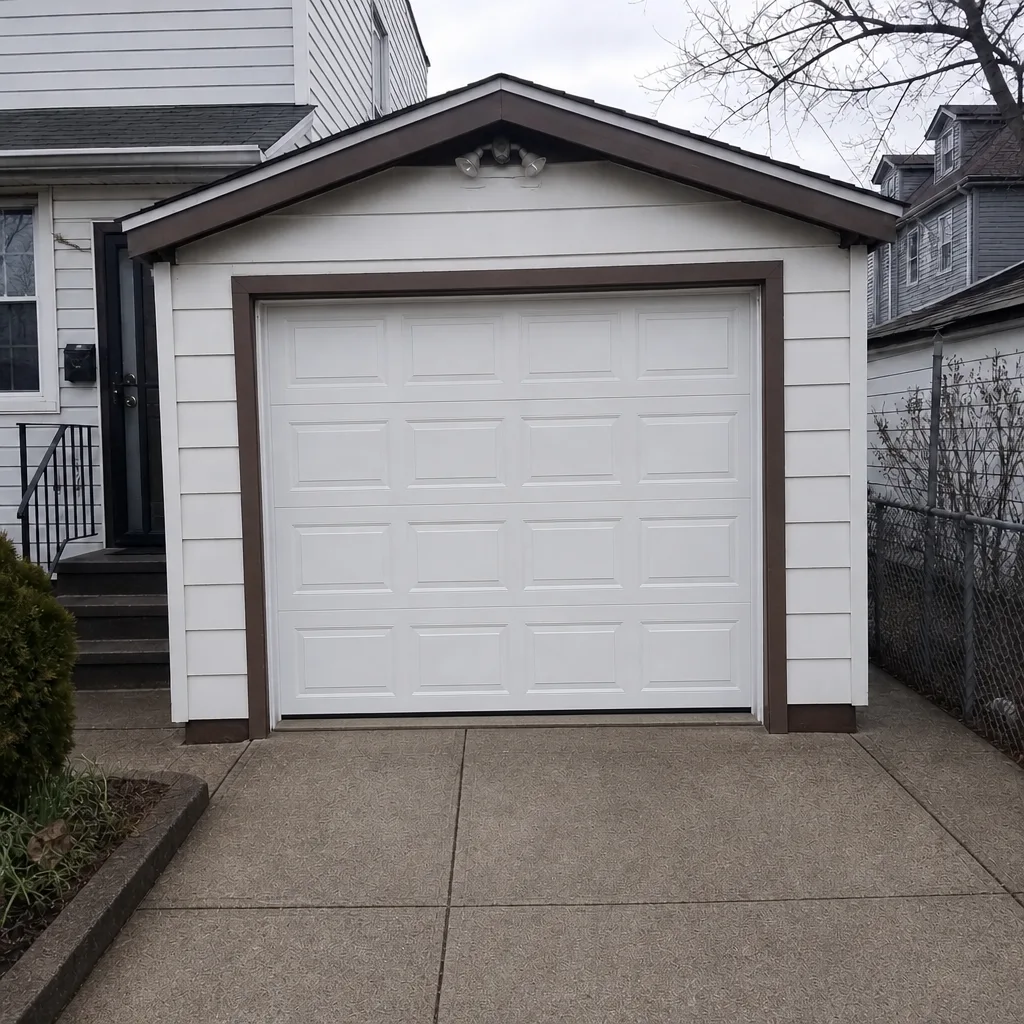 After
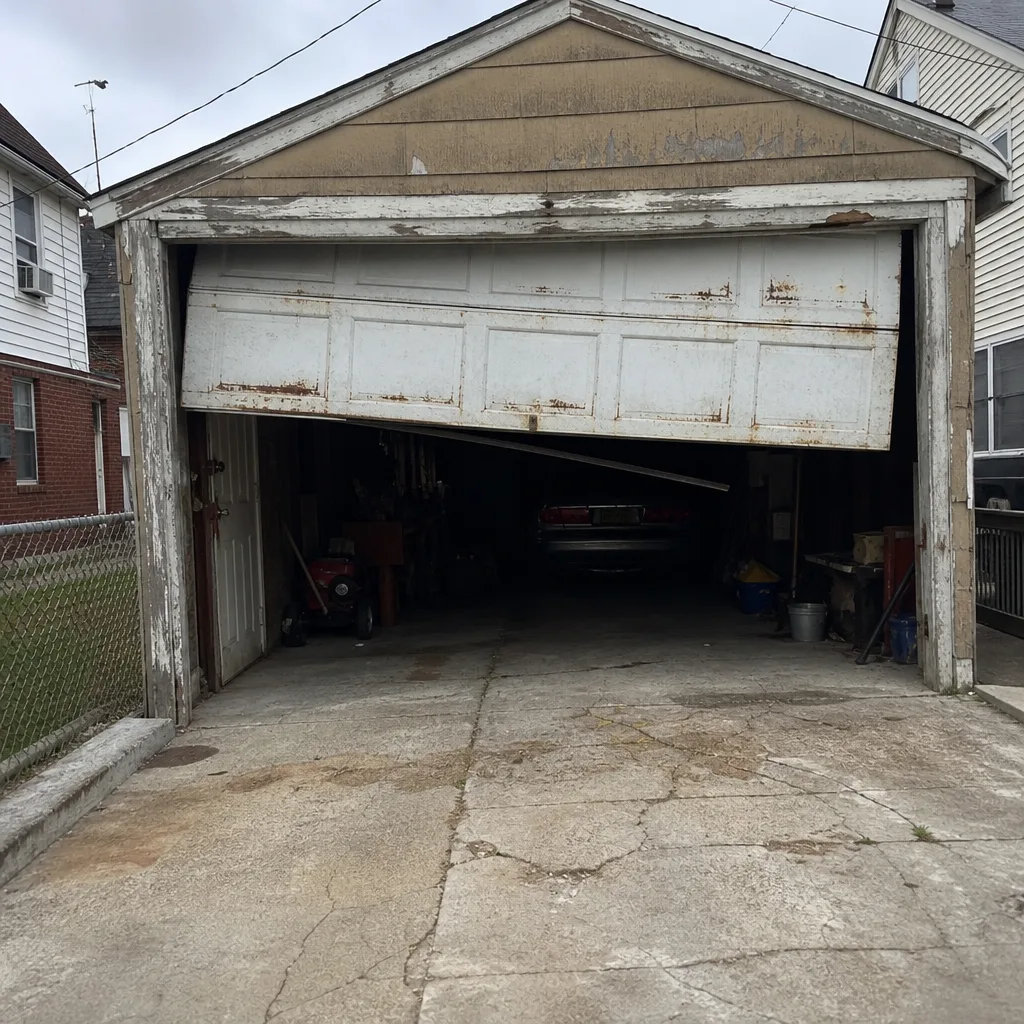 Before
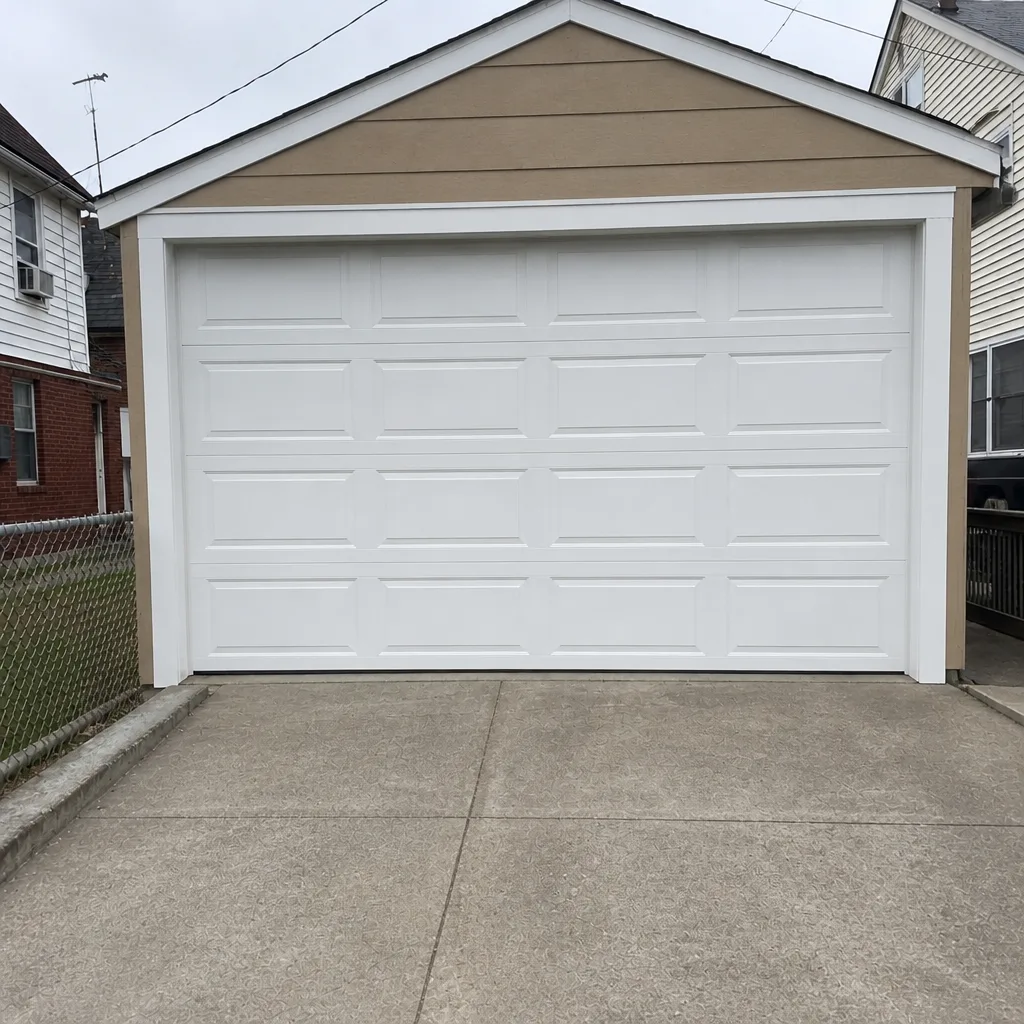 After
When to Call a Professional
Some tasks belong in your routine, and some belong with a specialist. Call for professional help when the balance test fails and the door drops or rises on its own. Call when you see a broken spring, a frayed or snapped cable, a door that won’t reverse on contact, or a track that’s visibly bent or out of line. Call when the opener strains, buzzes, or acts erratically after a power outage, and when the door is too noisy to diagnose on your own. None of these are DIY items, and forcing them usually makes things worse. Springs and cables in particular are dangerous to handle without training and the right tools.
Garage Door Repair Soundview is a single-trade specialist: every technician works only on garage doors, and we handle everything from a spring replacement to opener repair to a full new-door job. Our technicians have up to 12 years of experience, are familiar with LiftMaster, Chamberlain, Genie, Clopay, Amarr, Wayne Dalton, Craftsman, and Raynor systems, and quote the price before any work starts. Emergency service is available when the door fails at a bad time. Free estimates in Soundview – call (866) 690-8121.
Frequently Asked Questions
Two to four times a year is enough for most Soundview doors, timed to the start of fall and the start of spring. Lubricate springs, hinges, and roller stems with a garage door lubricant, and skip the tracks entirely. If the door is noisy between routine dates, a single extra application is fine. If you’re already hearing grinding or pop, lubrication won’t solve it. Call (866) 690-8121 and we’ll take a look.
Run the balance test: disconnect the opener, lift the door halfway, and let go. A door that drops fast means the springs have lost tension. A door that rises on its own means they’re wound too tight. A door that stays put or drifts slightly is balanced. Frayed cables and a door that feels unusually heavy are also signs. If the test fails, don’t adjust the springs yourself. Call for spring service, and the estimate is free.
Rollers and bottom weatherstripping wear fastest here because of Soundview’s freeze-and-thaw winters. The cold hardens rubber seals and flattens rollers, and the thaw-cycle moisture does the rest. Check rollers for flat spots and cracks every few months, and inspect the bottom seal at the start of fall and spring. Cables and hinges wear more slowly but should still be part of your seasonal walkthrough.
No. A torsion spring is under extreme tension, and releasing it incorrectly can cause serious injury. We recommend professional spring replacement even for homeowners who handle the rest of their maintenance. It’s one of the most demanding jobs in garage door repair, and it’s why we ask that you stop at the balance test and call for anything beyond adjustment. Call (866) 690-8121 for spring help.
A garage-door repair in Soundview can often be handled same day for common problems like a snapped spring, a door off its track, or an opener that won’t respond. Emergency garage door service is available when the door fails outside standard hours. Estimates are free, and we quote the price before any work starts, so you’ll know the cost before we begin. Call (866) 690-8121 to book.
No. We quote the price and agree on it before any work starts. If we discover something that genuinely changes scope, we’ll discuss it with you first rather than surprising you at the end. Call (866) 690-8121 for an exact quote – estimates are free.
The Bottom Line
Garage door maintenance works best as a diagnostic habit, not a fixed lubrication schedule. Check balance before anything else. Learn which parts wear fastest in Soundview’s freeze-and-thaw climate, namely rollers and bottom weatherstripping, and give them the attention they’re due. Use the right lubricant in the right amount, keep the tracks clean and dry, and log what you observe so a technician can diagnose quickly. Never handle springs or cables yourself, and test the safety reverse after every power outage. When an issue is beyond your routine, call for repair rather than running a failing door. A focused, single-trade specialist can work on your brand, quote the price before any work, and handle everything from spring repair to a full new installation. Free estimates in Soundview – call (866) 690-8121.
Written by the team at Garage Door Repair Soundview.