Last updated November 21, 2026
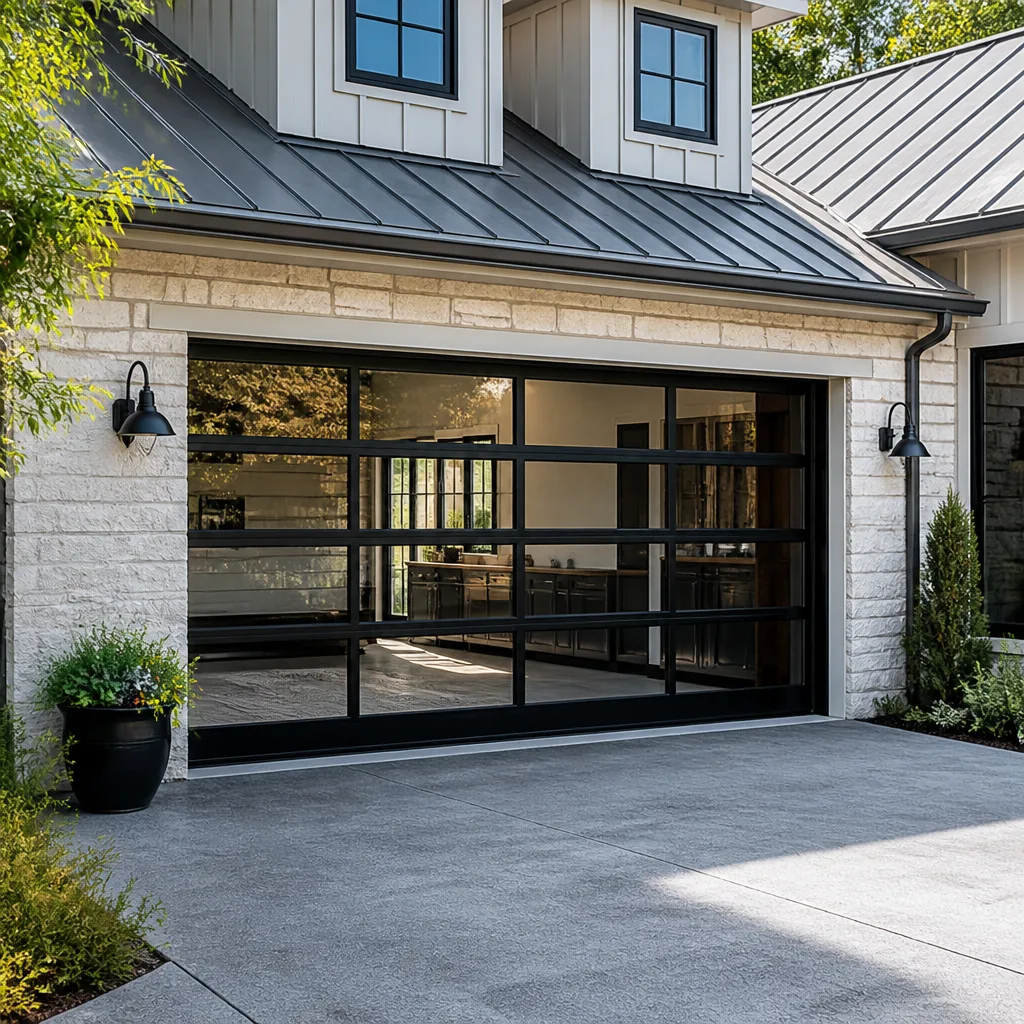 Full-view glass
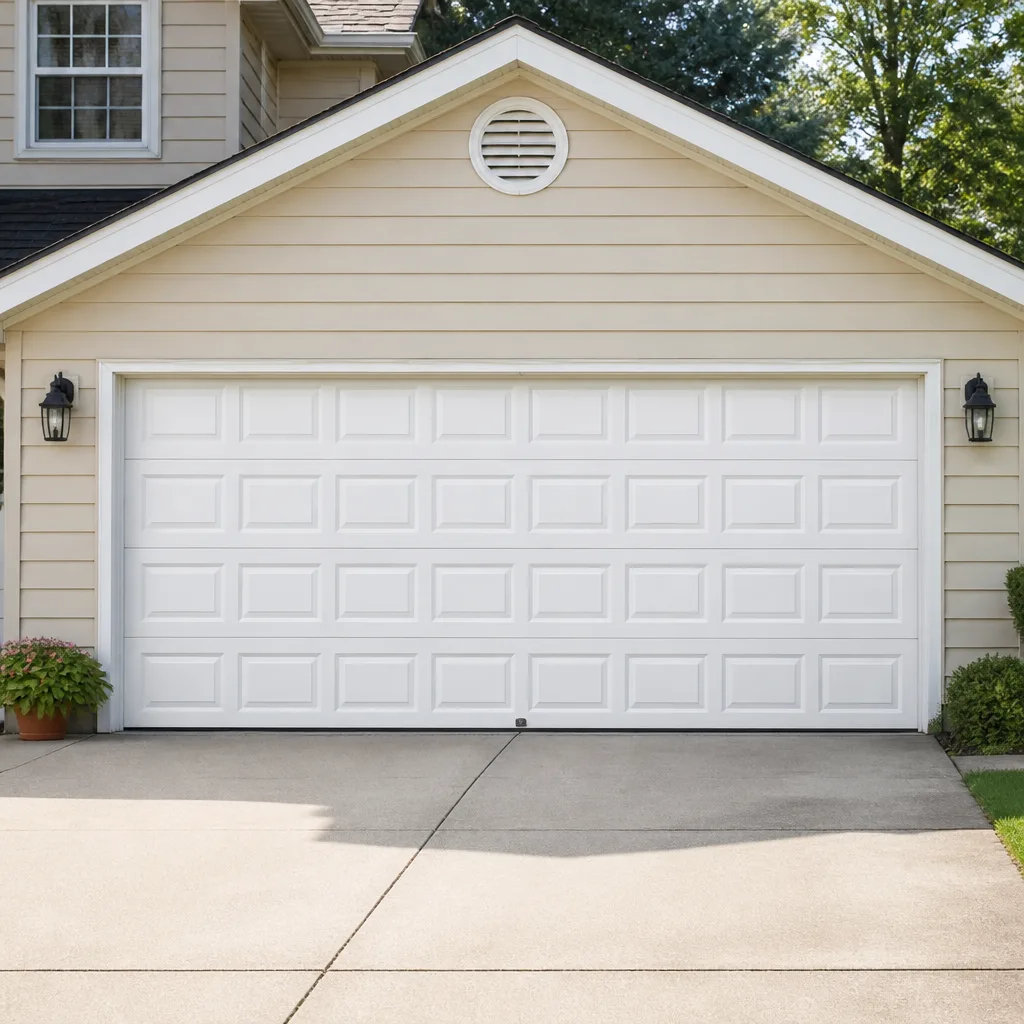 Raised-panel steel
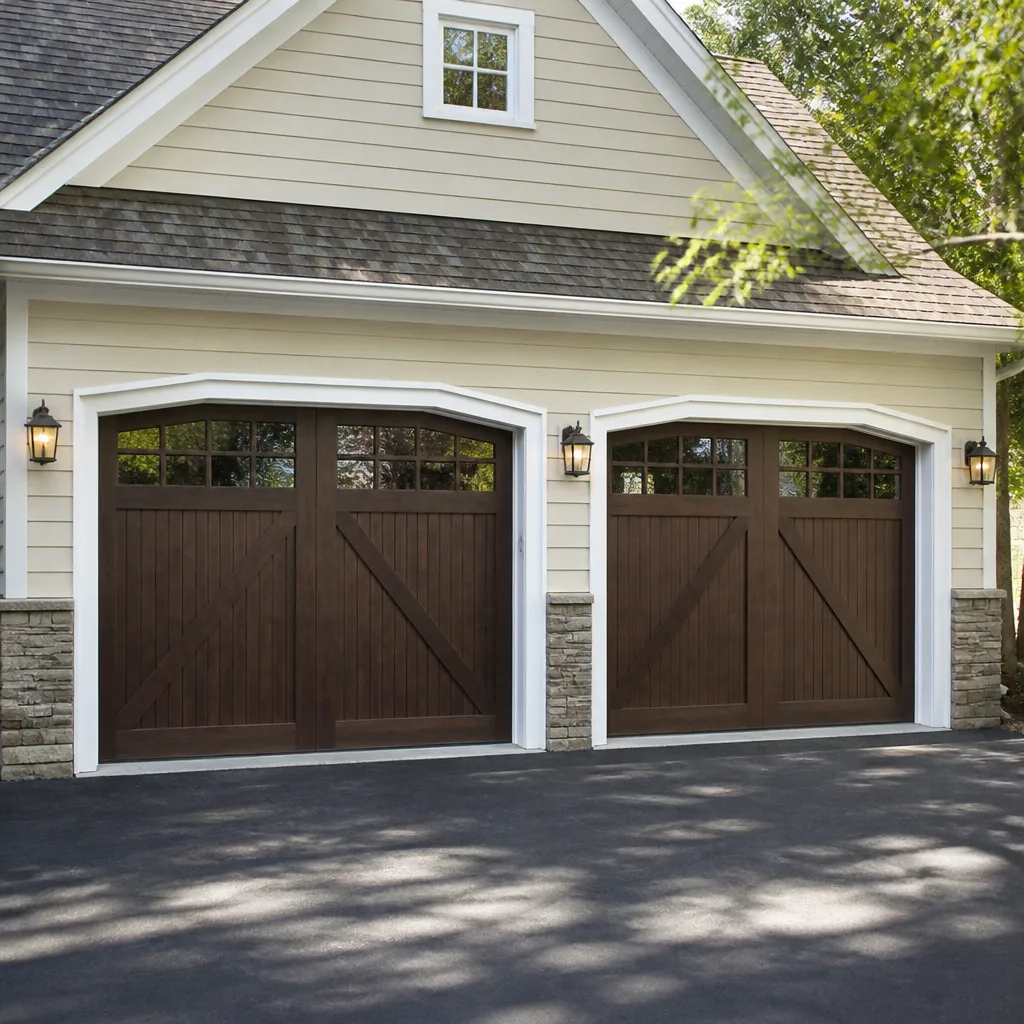 Carriage house
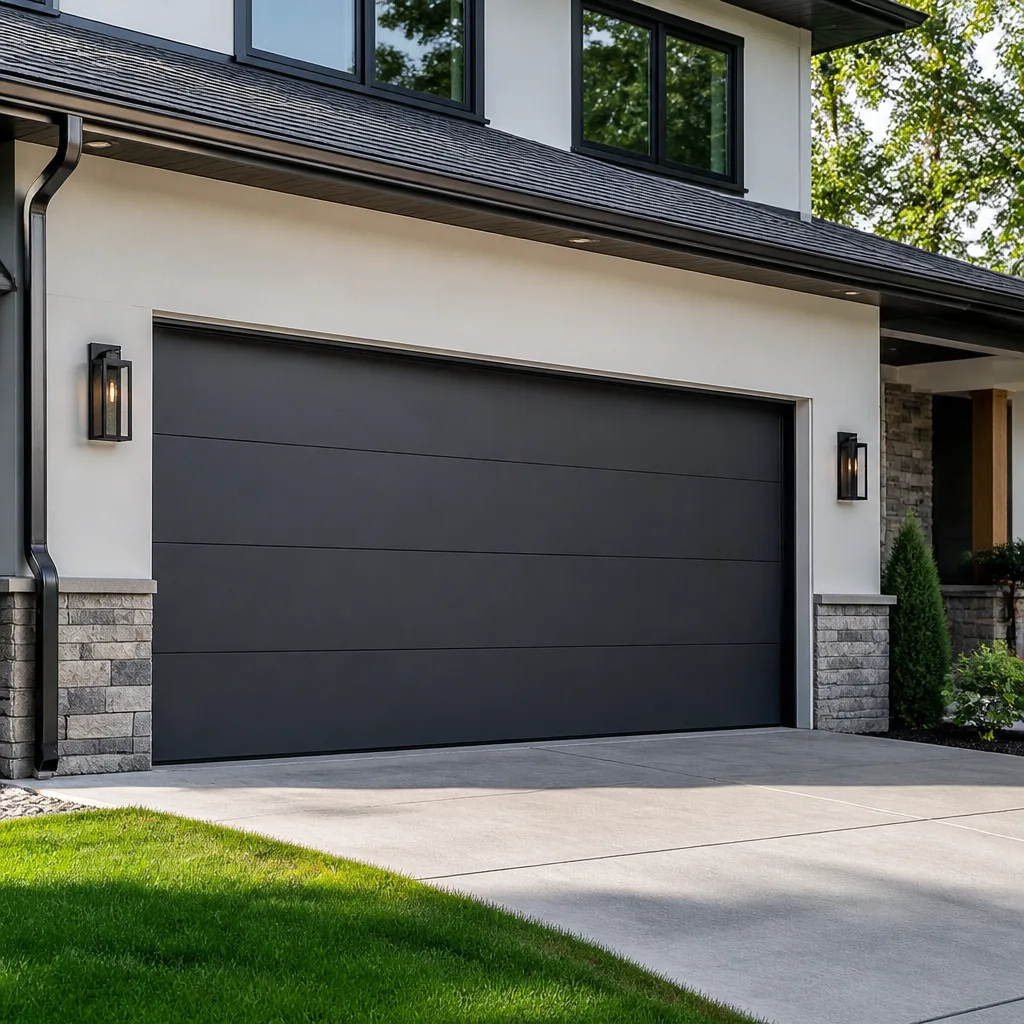 Modern flush
 LiftMaster openers
 Chamberlain openers
Full 25-point door and opener safety check with every visit - springs, cables, rollers, tracks, and your LiftMaster or Chamberlain opener included
You get a price before we start. It does not change when the pro arrives.
Get your free estimateGarage Door Warning Signs: A Soundview Homeowner’s Reference Guide
Most garage doors don’t fail without notice. They send warnings for weeks, sometimes months, and those warnings get explained away. A door that’s “a little slow” in the morning isn’t sluggish. It’s telling you the spring tension is off, or the opener is quietly compensating for a balance problem it was never built to handle. The grinding that starts on a cold morning isn’t just the weather. The door that reverses halfway up isn’t being temperamental. Each of those minor annoyances carries a specific mechanical meaning, and this guide gives you the vocabulary to read them. We’ll map sounds to components, walk through the visual signs that separate structural stress from ordinary wear, show you how opener behavior works as a diagnostic tool, and point to the one sign that means stop using the door right now. If you live in Soundview, this is the reference to keep.
Quick Answer
The most serious garage door warning signs are a snapped or visibly stretched spring, a frayed or kinked cable, a door that reverses before it closes, and any loud pop followed by the door refusing to lift. Those four mean stop using the door and call a specialist. Slower warning signs – grinding, squealing, shaking, uneven travel, a remote that works only up close – usually trace back to worn rollers, loose hardware, or an opener straining against a door that’s out of balance. Catching them early keeps a small repair from becoming a spring or cable failure.
Styles & brands we work with
- Raised-panel steel
- Carriage house
- Modern flush
- Full-view glass
- LiftMaster openers
- Chamberlain openers
Table of Contents
- What Each Garage Door Sound Is Telling You
- Visual Signs on the Door and Frame: Stress vs. Wear
- Reading Your Opener’s Behavior as a Diagnostic Tool
- How to Spot a Fraying Cable Before It Snaps
- The One Sign That Means Stop Using the Door Today
- Why Balance and Spring Tension Drive Most Problems
- Seasonal Checks for a Soundview Door
- Common Mistakes to Avoid
- When to Call a Professional
What Each Garage Door Sound Is Telling You
Sound is the first and cheapest diagnostic tool you own. A garage door in good order makes a low, even rumble and nothing more. When a new noise appears, the type of noise narrows down where the problem lives. Here’s how we read each one.
Grinding
Grinding usually comes from metal-on-metal contact. Worn steel rollers that have lost their bearings, a torsion tube rubbing against a dry bearing plate, or track sections that have shifted so the rollers scrape the edge. On a door in Soundview that runs several times a day, grinding tends to get louder over a few weeks rather than appearing overnight. Left alone, it wears the track and the roller stems.
Squealing
A high, sharp squeal is friction with no lubrication – hinges, rollers, or the springs themselves. This is the most forgiving warning sign on the list. It’s also the one most people ignore longest, which is a mistake, because a dry torsion spring under load is more likely to fatigue and snap than a lubricated one.
Popping
A single loud pop is different from a repeating noise. If you hear one pop and the door suddenly feels heavier or won’t lift, that’s very often a torsion spring breaking. If the popping repeats as the door travels, suspect a cable jumping its drum or a roller coming out of the track. Either version deserves a stop-and-look.
Thumping or banging
A rhythmic thump that matches the door’s movement usually points to a loose hinge, a bent track, or a panel that’s out of alignment and catching. Banging at the very start or end of travel often involves the opener’s travel limits or a worn gear in the opener head. When the thump keeps time with the door, it’s mechanical. When it happens once at each end, it’s usually the opener.
Visual Signs on the Door and Frame: Stress vs. Wear
Not everything you see on a garage door needs fixing. Some marks are cosmetic and some are the door telling you a load is being carried where it shouldn’t be. The trick is knowing which is which. Here’s how to tell in a two-minute walk-around.
Signs of structural stress
- Vertical cracks at the corners of panels – often where the door has flexed under a balance problem.
- Sagging in the middle of a sectional door – usually a sign the springs are no longer carrying their share of the weight.
- Gaps opening between panels – the hinges or the panel seams are being pulled apart.
- A bowed horizontal or vertical track – the door is pushing against the track instead of rolling freely.
- Fresh rust lines along a torsion spring – a spring that’s losing temper and may have only a short life left.
- Cable drums with loose or bunched cable – the cable has jumped its groove, and load is uneven.
Signs of ordinary wear
- Faded paint or sun-bleached panels.
- Minor scuffs and dings from day-to-day use.
- Surface dust or dirt on the bottom weather seal.
- A slightly worn rubber seal where the door meets the floor.
Wear is cosmetic and can wait. Stress is mechanical and usually can’t. If you look at the door and can’t tell the difference, that’s the moment to have someone look at it. A quick free estimate from Garage Door Repair Soundview will tell you which category you’re in before anything gets worse.
Reading Your Opener’s Behavior as a Diagnostic Tool
Your opener is the most honest sensor on the whole system. It’s the component that pushes against whatever resistance the door presents, so its behavior reveals problems the door itself might not show you yet. A healthy LiftMaster, Chamberlain, or Genie opener should start smoothly, run at a constant speed, and stop cleanly at both ends. Anything else means something in the system is fighting it.
Hesitation at the start
If your opener pauses for a beat before moving, it’s usually straining against a door that’s out of balance. The motor is meeting resistance the springs should have absorbed. This is often the earliest sign of a weakening spring, and it usually shows up on the first lift of the morning when the door is coldest.
Reversing before close
An opener that reverses during close is doing its job – it’s detecting an obstruction. If the door reverses with nothing in the way, suspect a misaligned safety sensor, a track that’s catching, or a door that’s binding on one side. Reversing during a close is a warning, not a failure, and it’s the safer of the two behaviors.
Partial open or partial close
A door that stops partway and won’t complete the cycle has usually hit the opener’s force limit. The opener has decided the resistance is too high to continue. This can mean a worn gear in the opener, a door binding on one side, or a spring that’s failed. Either way, don’t force the door through it. Partial travel is the opener saying “this isn’t right.” When the opener is the part degrading, we handle that through targeted garage door opener repair rather than a whole new system.
Remote works only up close
A remote that only triggers the opener when you’re right next to it usually points to a receiver issue in the opener head, a failing battery in the remote, or interference. Swap the battery first, and if it persists, it’s an opener electronics question.
How to Spot a Fraying Cable Before It Snaps
Cables are the warning-sign victim of the garage door world. They fray slowly, then snap suddenly, and the snap is what causes damage. The good news is that a fraying cable gives you plenty of visual warning if you know where to look and what to look for. Stand back, use a flashlight, and look at both sides of the door – the cables run vertically alongside the door on each side. Look, don’t touch.
The specific markers
- Frayed or “hairy” strands near one of the end loops or where the cable meets the drum. Any visible broken wire is a stop signal.
- A kink or sharp bend in an otherwise smooth cable. A kink has already compromised the strand.
- Cable wrapped unevenly on the drum – bunched on one side, or a loop riding over the top of the drum instead of seated in its groove.
- Rust streaks or discoloration along the cable, which often precedes strand breaks.
- Slack in a cable when the door is down. A cable under correct tension should feel taut if lightly plucked (again, look, don’t touch).
- A door that lifts unevenly – one side higher than the other. That’s usually a cable that’s already jumped a groove.
Cables are under hundreds of pounds of tension. Never try to free a jammed cable, never cut one, never attempt to remove one on your own. This is one of the parts of the system where the danger is genuinely serious and the correct move is always to call someone who works on it every day. Our technicians have up to 12 years of experience and treat every cable call as a safety-critical job, because that’s exactly what it is.
The One Sign That Means Stop Using the Door Today
There’s a single warning sign that overrides everything else in this guide: a loud pop or snap from the torsion bar above the door, followed by the door suddenly becoming very heavy or not lifting at all. That almost always means a torsion spring has broken, and it’s the one scenario where using the door even once more can cause serious damage or injury. Stop. Don’t try the opener again. Don’t pull the emergency release and try to lift it by hand. Don’t call a handyman.
A torsion spring stores enough energy to do serious harm, and a broken spring leaves the door’s full weight resting on the cables and the opener. When a technician arrives, the correct sequence is to secure the door, replace the spring as a matched pair (the two springs share the same wear, so replacing one almost always means replacing both), rebalance the door, and test the full cycle. That’s a job for a trained specialist – not a generalist, not a homeowner, not a “we can have a look” call from a contractor who also does plumbing. Spring replacement done safely is one of the few services we insist is only ever handled by someone who does it every day. If you’re reading this and the door is already down, stop reading and garage door repair with a specialist starts with that one call.
Why Balance and Spring Tension Drive Most Problems
If you traced every warning sign in this guide back to its root cause, you’d find the same two culprits again and again: balance and spring tension. A torsion spring does most of the work of a garage door. It stores the energy that counterbalances the door’s weight, so the motor only has to guide the door, not lift it. When the spring loses tension – from age, fatigue, or just too many cycles – the motor starts taking up the slack. For a while, the opener just works harder. That’s the “a little slow” phase. Then the rollers wear under the extra load, the track bends under the uneven pull, the hinges loosen, and the door starts making all the noises we talked about at the top of this guide.
Balance is easy to test. Disconnect the opener (this is the one safe DIY test in this guide – it’s done with the door down and no tension on you), lift the door by hand to about waist height, and let go. A balanced door stays put. A door that drops has a spring tension problem. A door that rises on its own has too much tension. Either result means the spring system needs adjusting by a professional. You don’t adjust torsion spring tension yourself; that’s where the danger lives.
Because the springs and balance drive everything else, a real fix in Soundview looks at the whole system, not just the part that’s making noise. A door that clunks over the same spot every cycle often needs the springs reset, not a new roller. Getting the diagnosis right is what a specialist does. A new-door install through garage door installation is the right answer when the door itself has reached the end of its life, but most of the time you’re replacing parts, not the door.
Seasonal Checks for a Soundview Door
Garage doors are mechanical systems that live outdoors, so the calendar matters. In Soundview, the door gets a workover twice a year as temperatures swing – once when it turns cold and the metal contracts and the grease thickens, and once when it warms up and everything loosens. Two short checks a year catch most of the warning signs before they cost you anything.
The 10-minute fall check
- Run the door up and down and listen for new sounds – grinding, squealing, popping.
- Walk the perimeter with a flashlight and look for frayed cables, kinked cable, or cable off its drum.
- Look along the torsion bar above the door for fresh rust or cracks near the springs.
- Check the balance test described above (door down, disconnect, lift to waist height).
- Look at the safety sensor eyes at the bottom of the tracks. Clean them and confirm they aren’t obstructed.
- Lubricate the hinges and rollers with a garage-door-specific spray, never WD-40 in place of a proper garage door lubricant.
The spring check
In spring, repeat the same list, and pay extra attention to the opener’s behavior. The first shift from cold to warm tends to reveal a spring that was near the end of its life. Doors that worked all winter suddenly “get heavy.” If you notice a remote that’s working only from close up, swap the battery before assuming the opener has failed. Chamberlain and Raynor systems both behave this way when the battery’s low, and it’s the most common false alarm we see.
Common Mistakes to Avoid
We see these over and over, and each one turns a small fix into a bigger one. If you catch any of these in your own routine, change the habit.
- Lubricating the tracks. Tracks are supposed to stay dry. Grease on the track collects dust and causes the rollers to skid instead of roll – which is the exact opposite of what you want. Lubricate the hinges, rollers, and springs. Leave the tracks clean.
- Adjusting torsion springs yourself. This is the single most dangerous mistake on this list. Torsion springs are under hundreds of pounds of load. This isn’t a skill you pick up on a video, and it isn’t a job for a general handyman.
- Forcing a door that reversed or stopped partway. If the opener reversed or the door stalled, it’s telling you something’s wrong. Pushing the button again and again can wear out the opener gear or stress the cables further.
- Ignoring “it’s just slow.” A slow door is almost always a balance problem in the making. It’s the cheapest warning sign to fix and the most expensive to ignore.
- Replacing one spring instead of the pair. Springs wear together. Replacing one leaves the other with the same cycles behind it, and probably not many ahead. A matched pair keeps the door balanced.
- Calling a generalist for a specialist job. A door that needs a spring, cable, or opener diagnosed isn’t a handyman fix. The right trade is the one that only does garage doors.
- Pulling the emergency release as a shortcut. The red release cord is for emergencies during a power outage. Pulling it and “just lifting the door by hand” defeats the opener’s safety features and, on a broken-spring door, puts the full weight on you.
When to Call a Professional
Call a specialist the moment you see any of the four stop-now signs: a snapped spring, a frayed or kinked cable, a door that reverses or stalls every time, or any loud pop followed by a door that won’t lift. Also call if you can hear grinding, squealing, or popping that’s persisted for more than a week, if your opener hesitates every morning, if the door lifts unevenly, or if a remote that used to work from the driveway now needs you standing next to the door. When the door itself is past saving – cracked panels, sagging frames, a model no longer made – that’s a replacement conversation, and the free estimate tells you which side of that line you’re on. Garage Door Repair Soundview offers free estimates in Soundview – call (866) 690-8121. Emergency garage door service is a core part of what we do, so a snapped spring on a Sunday morning is exactly the kind of call we take. Every technician works exclusively on garage doors, which means the person diagnosing your Raynor door has diagnosed a Raynor door before.
See the difference
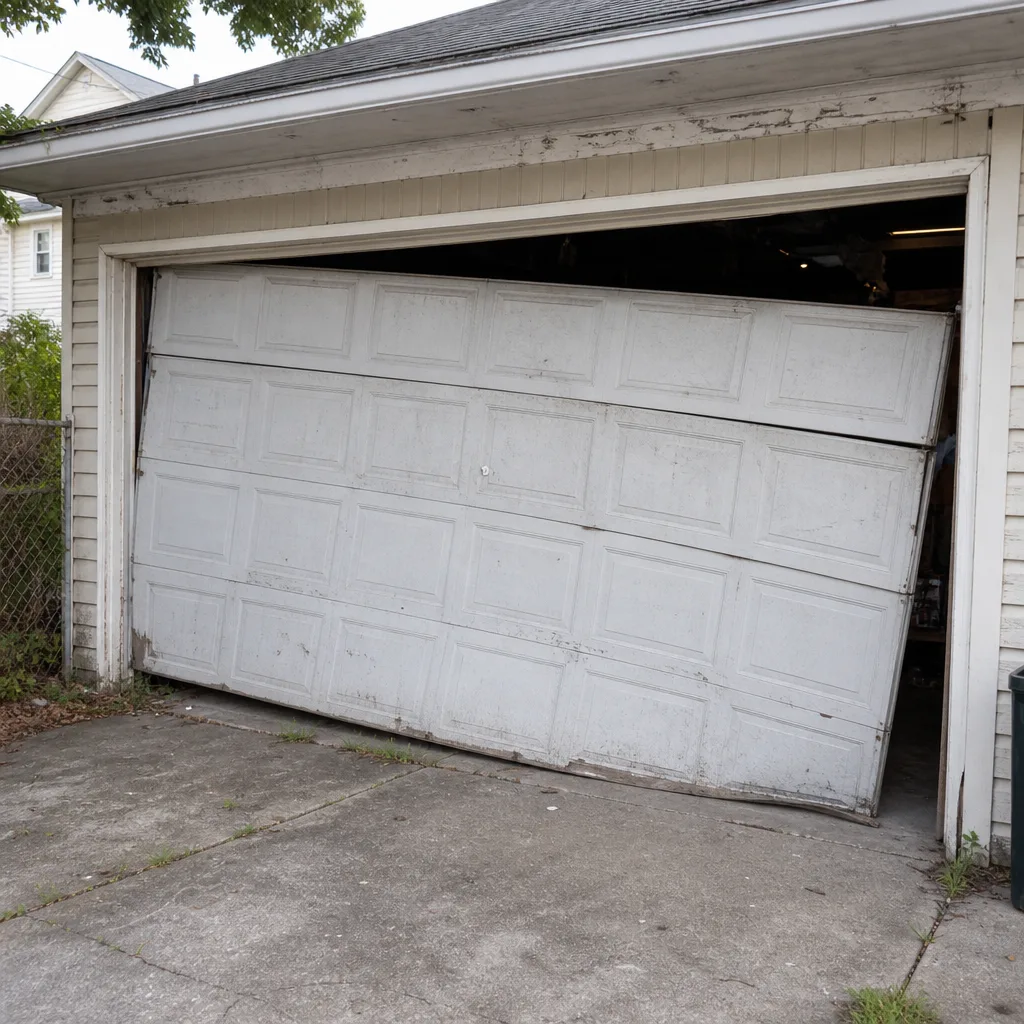 Before
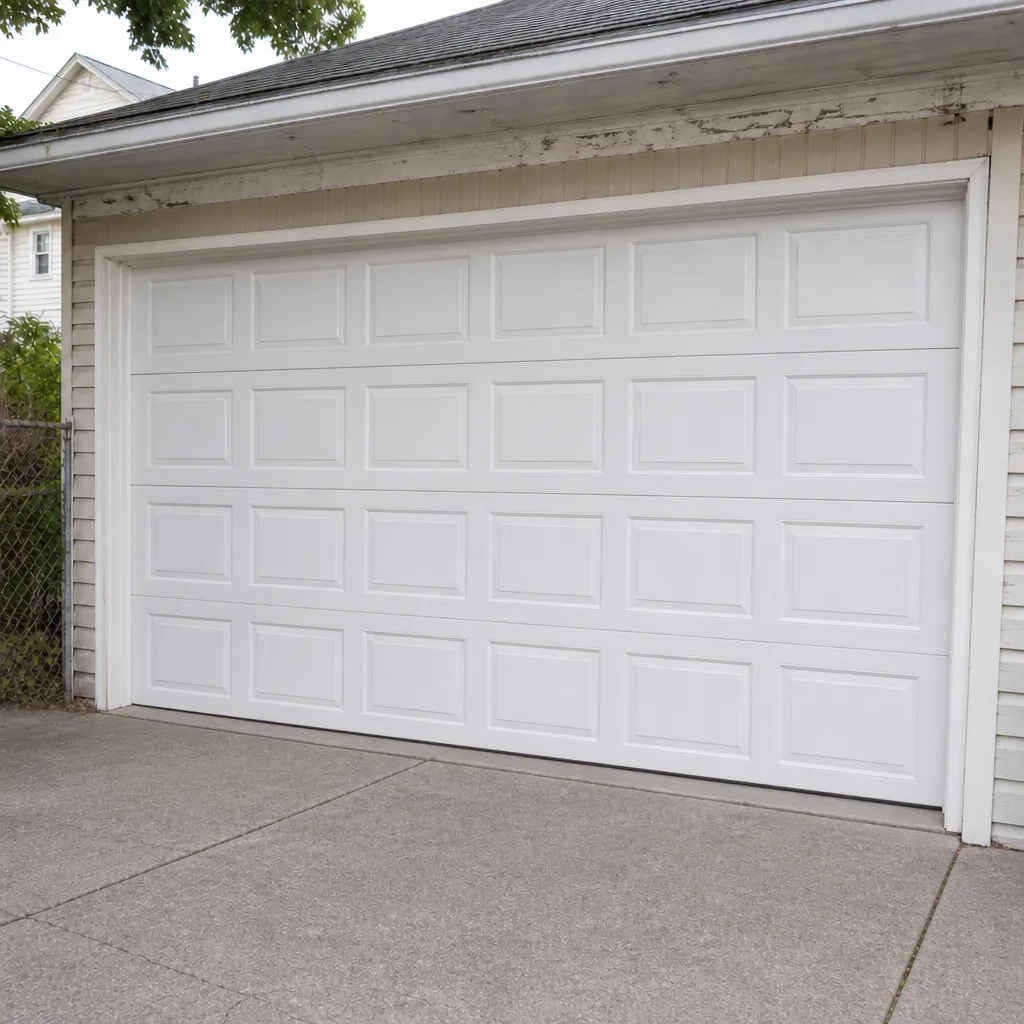 After
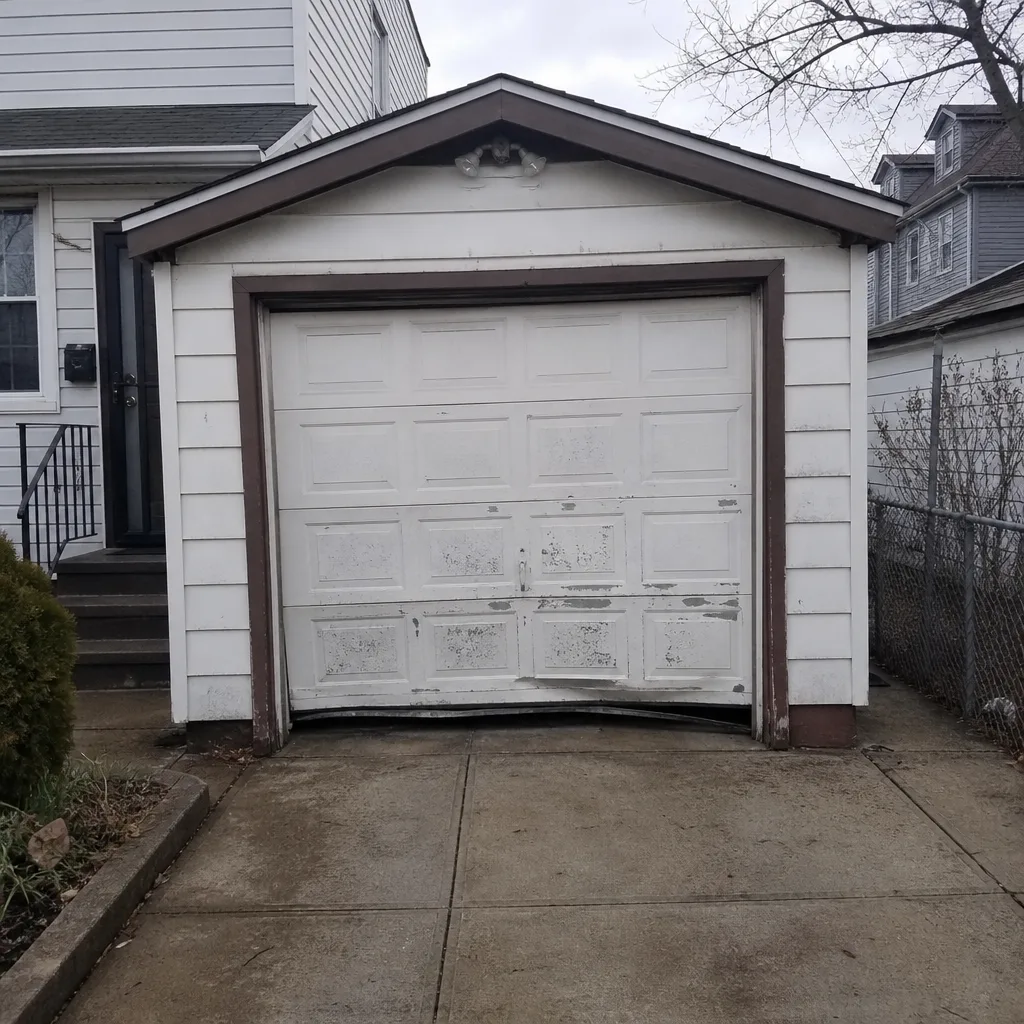 Before
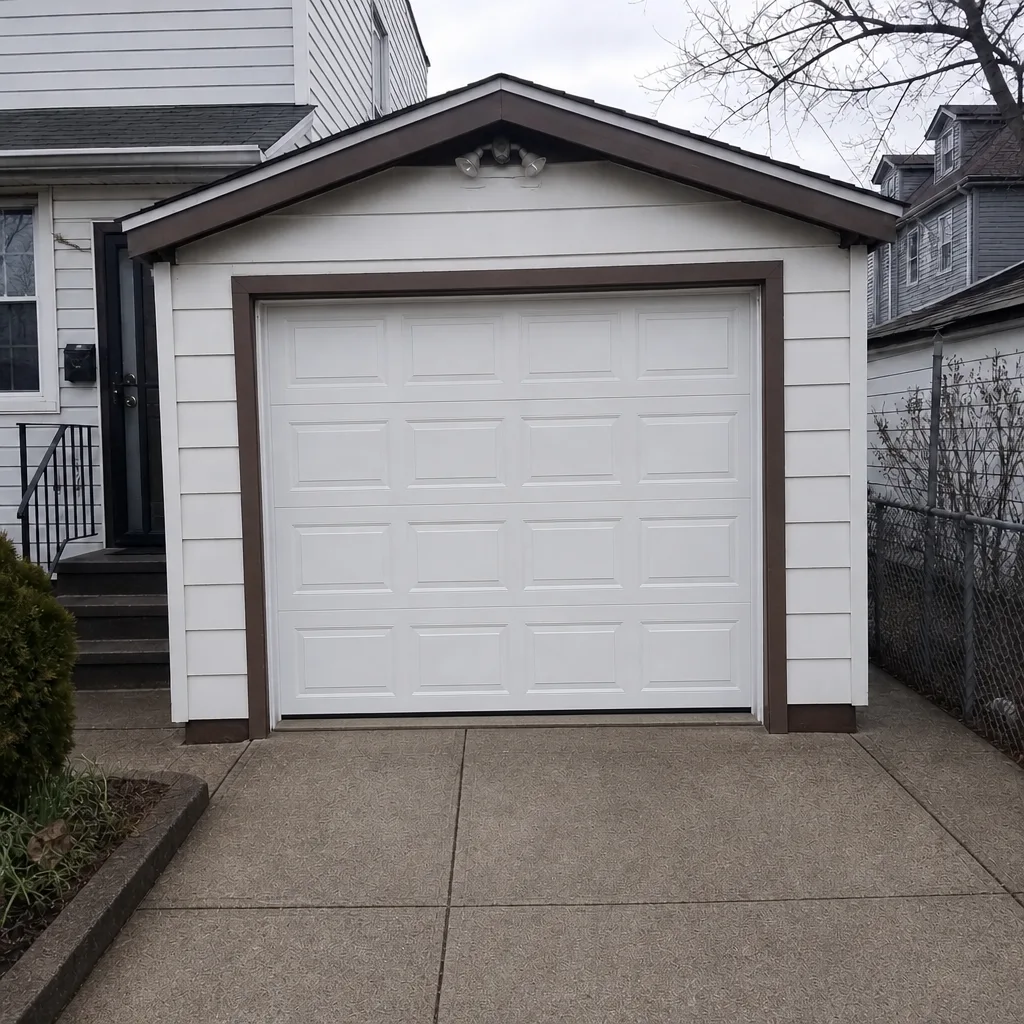 After
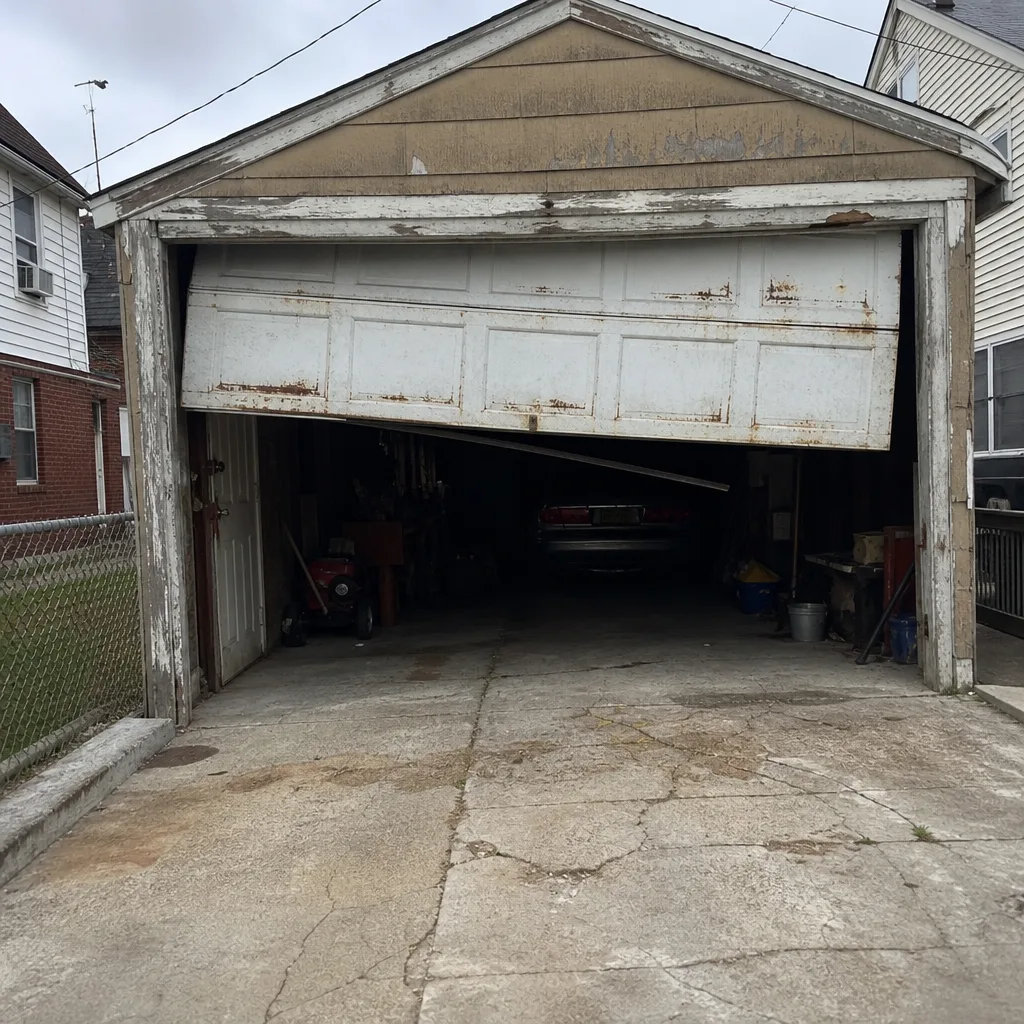 Before
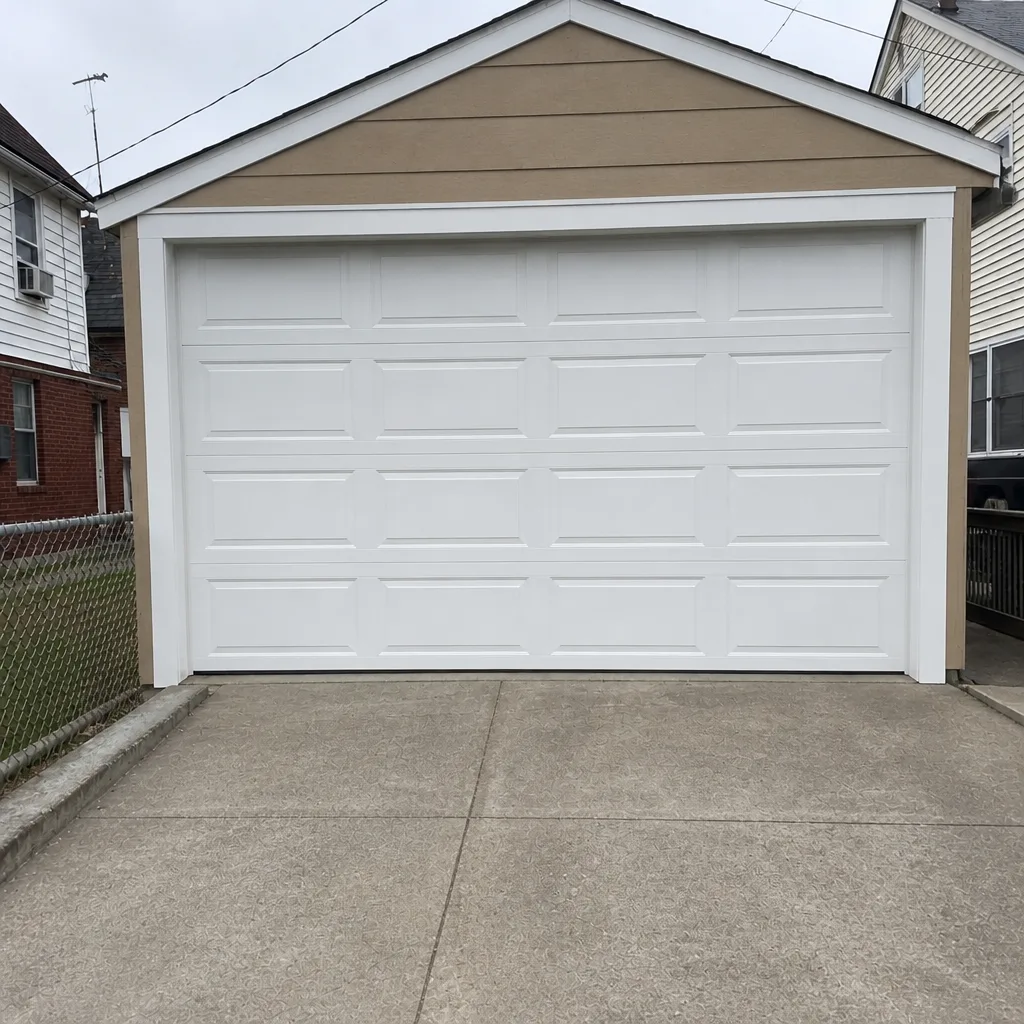 After
Frequently Asked Questions
The most common warning signs are new or unusual noises (grinding, squealing, popping, thumping), a door that runs slower than it used to, opener hesitation at the start, a door that reverses or stalls partway, uneven lifting, visible fraying on a cable, and fresh rust on a spring. Any of these means something in the system is out of balance or worn.
Most single-spring replacements run in the range of $180 to $340, and a matched pair is usually about twice that since both springs are replaced together. The written estimate always sets the final price, and we quote and agree on that before any work starts. Call (866) 690-8121 for an exact quote – estimates are free.
Yes. A door that won’t open or has had a spring snap is exactly what our emergency service is for, and we treat it as a priority call. The fastest way to get moving is to call (866) 690-8121 and describe what happened – what the door did, what sound it made, whether it’s up or down.
No. We quote the price before any work starts, and that agreed price is what you pay. If what we find on arrival turns out to be a different problem than the one described on the phone, we explain the new diagnosis and quote again before touching anything. You always have the final say before we begin.
The local pro we connect you with is licensed and insured as New York requires, and our technicians have up to 12 years of experience on garage doors specifically. They work on eight major brands – LiftMaster, Chamberlain, Genie, Clopay, Amarr, Wayne Dalton, Craftsman, and Raynor – so the odds are good we already know your system.
Most doors can be repaired well past the point homeowners expect, so repair is the right answer far more often than replacement. Replacement makes sense when the panels are structurally cracked, the frame is sagging, or the door has reached the end of its usable life. A free estimate is the honest way to answer that question for your door specifically.
The Bottom Line
Garage door warning signs don’t shout. They show up as a slow door, a new sound, a remote that’s finicky, a hesitation you learn to live with. Each one has a specific meaning, and catching them early keeps a worn roller from turning into a snapped spring. The four signs that mean stop – snapped spring, frayed cable, door reversing every time, or a pop followed by a door that won’t lift – are non-negotiable. Everything else is a check-and-fix. Read the sounds, do the balance test, look at the cables, watch what your opener is doing, and know when to call. That’s the whole reference, and it’s the same one we use on every Soundview door we look at.
If any of the signs in this guide describe your door, call Garage Door Repair Soundview at (866) 690-8121 for a free estimate. We’re a garage door specialist – it’s the only thing we do – so whether it’s a spring, a cable, an opener, or a full new door, you’re getting someone who’s already seen the problem you’re describing. Estimates are free, and the price is quoted before any work starts.
Written by the team at Garage Door Repair Soundview.