Last updated November 21, 2026
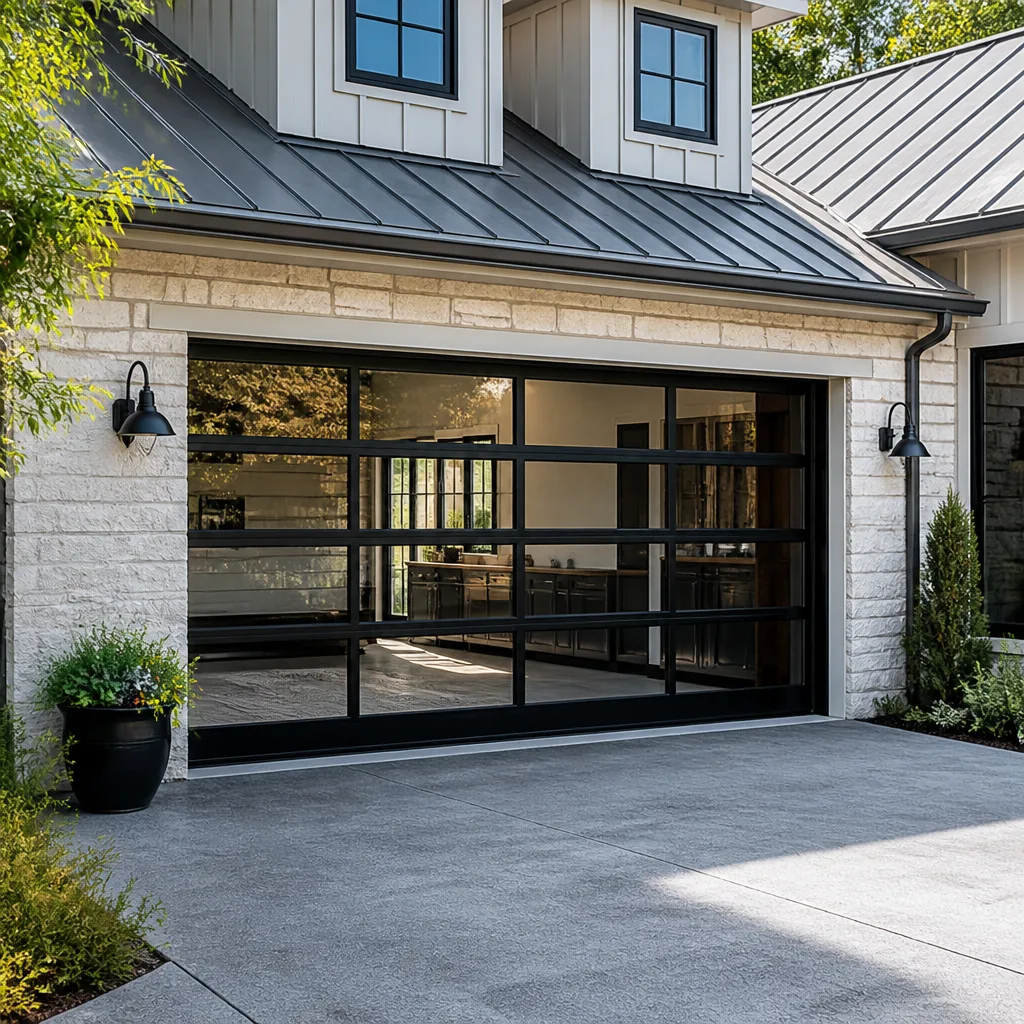 Full-view glass
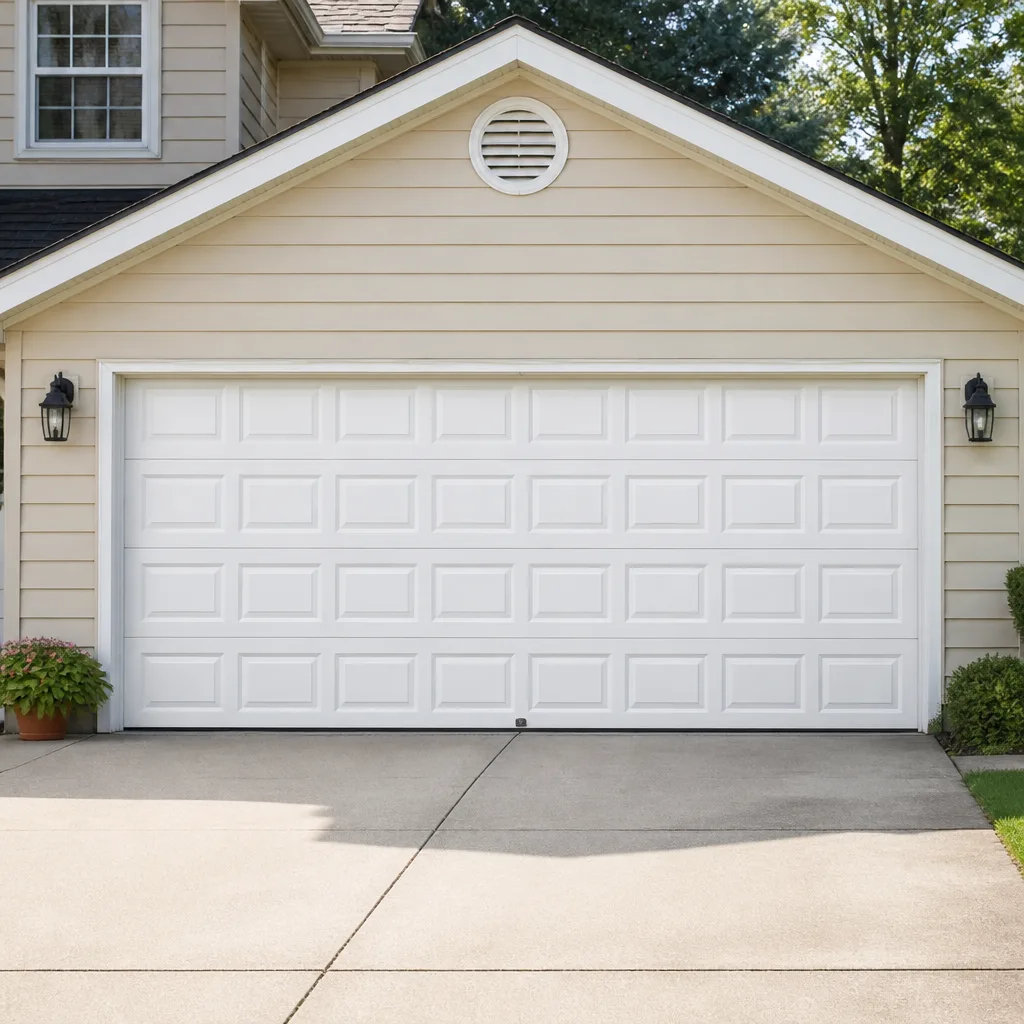 Raised-panel steel
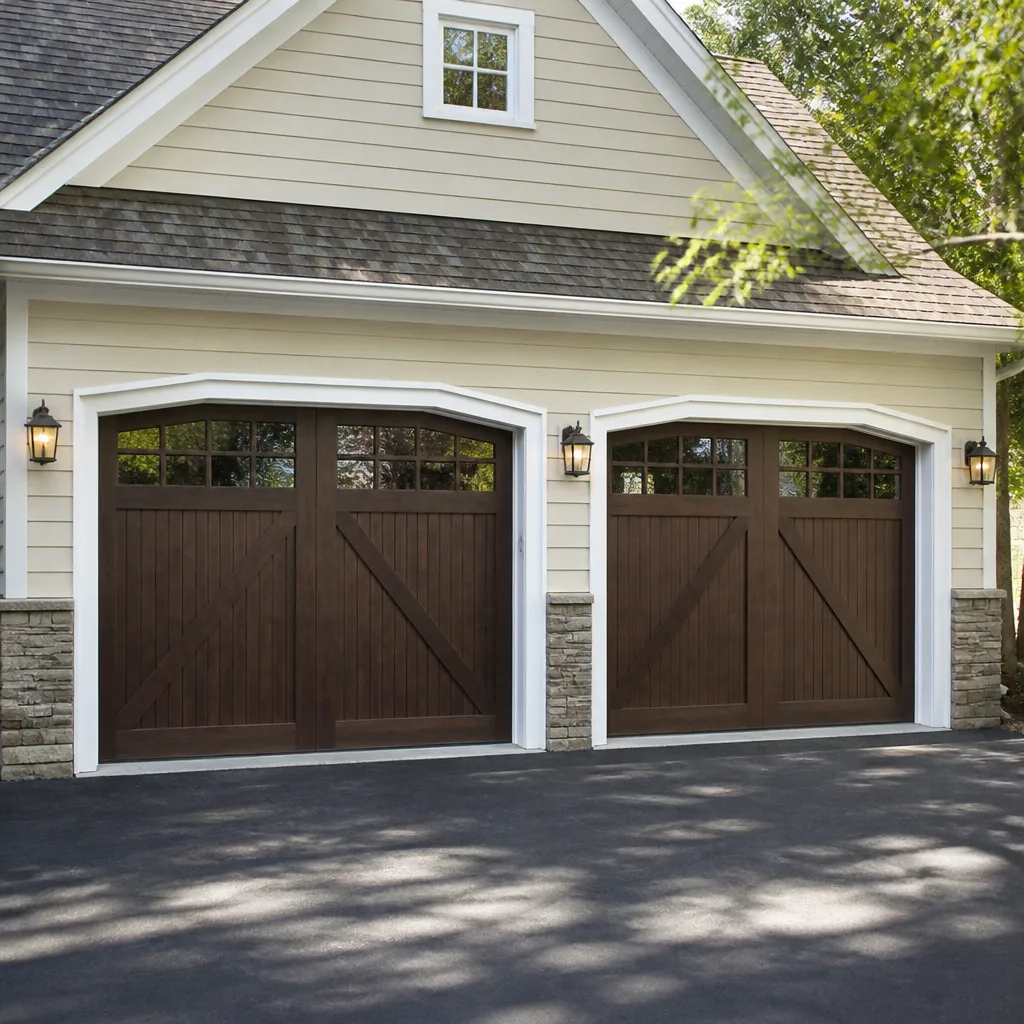 Carriage house
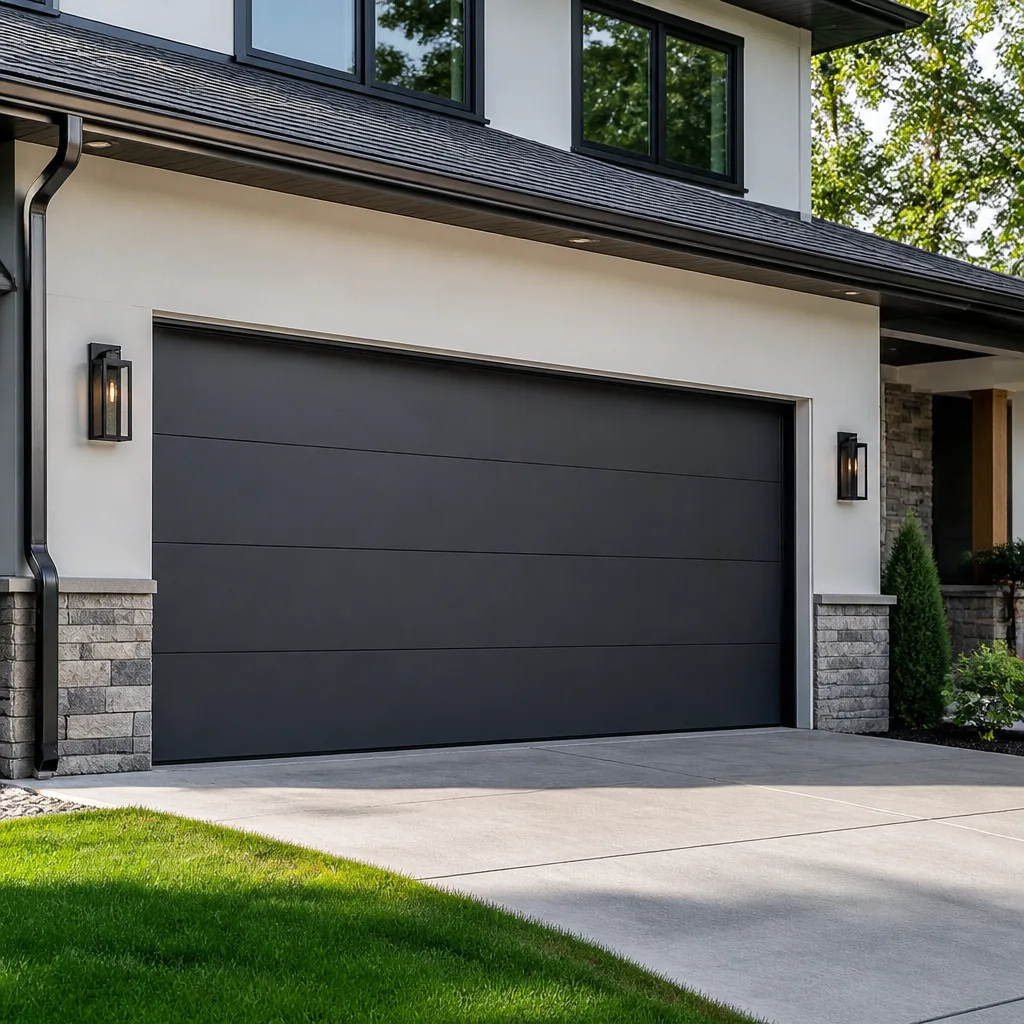 Modern flush
 LiftMaster openers
 Chamberlain openers
Full 25-point door and opener safety check with every visit - springs, cables, rollers, tracks, and your LiftMaster or Chamberlain opener included
You get a price before we start. It does not change when the pro arrives.
Get your free estimateGarage Door Emergency Preparedness Guide for Soundview Homes
When the power goes out in Soundview during a winter storm and your car is inside, you have about 90 seconds to remember how the manual release works before frustration leads to a decision that damages the door. Most homeowners have never pulled that cord, never tested that battery, and never thought about what the door weighs when a spring lets go. The result is a small inconvenience that turns into a bent panel, a snapped cable, or a call that costs more than it needed to. In this guide we’ll walk through the manual release, the broke-spring decision, storm securing, outage protocols, and who to call in what order so you can handle a garage door emergency calmly instead of guessing.
Quick Answer
Garage door emergencies in Soundview usually fall into three categories: power outages that leave the door stuck closed, broken springs that make the door too heavy to lift safely, and doors stuck mid-travel during high wind. The single most useful thing you can do before any of those happens is practice the manual release on your own opener while the power is still on, so you know how the cord disengages and how the door feels when you lift it by hand. After that, a quarterly battery test on any backup opener and a phone call to a specialist who works on garage doors every day covers the rest.
Styles & brands we work with
- Raised-panel steel
- Carriage house
- Modern flush
- Full-view glass
- LiftMaster openers
- Chamberlain openers
Table of Contents
- Why Soundview Garage Door Emergencies Look Different
- How the Manual Release Works: Step by Step
- The Release Mistakes That Damage Your Door
- A Broken Spring: When You Can Move the Door and When You Can’t
- When Your Door Is Stuck Mid-Open in a Storm
- Power Outage Protocols: Backup vs. Standard Openers
- Who to Call, In What Order, and What to Tell Them
- The Simple Soundview Prep Kit
Why Soundview Garage Door Emergencies Look Different
Soundview’s weather does three specific things to garage doors. Winter cold tightens the steel in tracks and rollers, and a door that ran quietly in October can start to bind and chatter in January. Power outages during winter storms are the most common reason a homeowner calls us at night with a car trapped inside. And high-wind events that roll through the area put lateral pressure on doors that are fully or partly open, which is exactly when a panel buckles or the door comes off the track.
That combination produces a predictable set of calls. We hear about doors that won’t budge after the power comes back on, springs that let go on the coldest mornings of the year, and doors that got jammed when someone tried to force them against the wind. The homeowners who get through these situations without damage or a bigger repair share one habit: they practiced the manual release before they needed it, and they know what their door is supposed to feel like when they lift it by hand.
If you’re booking a routine tune-up, this is a good time to have a technician walk you through the release on your specific opener. Our technicians have up to 12 years of experience, and we work on Amarr, Wayne Dalton, Craftsman, Raynor, and the other major brands you’ll find on Soundview homes. That range matters because the release cord, the trolley, and the emergency lockout all work a little differently from brand to brand, and knowing yours is what keeps a bad night from getting worse. For planned non-emergency work like new opener installation or a door replacement, start with garage door installation so the setup is right from day one.
How the Manual Release Works: Step by Step
Every residential opener with a trolley has a manual release, usually a red-handled cord hanging from the carriage. Pulling it disconnects the door from the opener so you can lift it by hand. That’s the whole idea, and it’s simple in theory. The part that trips people up is doing it under pressure in the dark.
Here’s how it works on the most common openers in Soundview homes:
- Make sure the door is fully closed first. Pull the release when the door is all the way down, not halfway open. A door that’s mid-travel has tension on the trolley and releasing it can let the door drop or slam.
- Locate the release cord. It hangs from the trolley on the rail. On a belt-drive LiftMaster or Chamberlain it’s usually a red handle; on a Genie or Craftsman it may be a shorter cord. If you can’t reach it from the floor, use a sturdy step stool, never a chair.
- Pull straight down, firmly and once. The trolley should disengage with a click. Don’t yank or twist.
- Test the weight before lifting. With the door disengaged, grip the bottom section and lift a few inches. A door with healthy springs feels light. A door with a broken spring will feel like dead weight and you should stop there.
- Lift smoothly and slowly if the door feels light, and hold the bottom section as you raise it. Don’t let it run up.
- Re-engage when you’re done. Once the door is fully closed, pull the release cord again or press the wall button to re-engage the trolley. You’ll hear it click back in.
Practice this once with the power on, on a calm afternoon, when nothing is at stake. That’s the single most valuable garage door habit you can build as a Soundview homeowner, because you’ll remember it the night the lights go out.
The Release Mistakes That Damage Your Door
The manual release is designed to be pulled, but it’s easy to use it wrong in a moment of frustration. These are the mistakes that turn a stuck door into a repair:
- Pulling the release while the door is open or mid-travel. A door that’s partly up is under load from the springs, and releasing the trolley doesn’t remove that load. The door can slam down, and the impact can bend panels, snap a cable, or crack the bottom section. Always fully close the door before you pull.
- Forcing a heavy door up by hand. If the door won’t lift easily, a spring or cable has failed. Forcing it puts the full weight on the panels and the lift handle, and the door can fold or come off its tracks. Stop and call for help.
- Leaving the door disengaged and using the opener later. If you pull the release, get the car out, and then hit the remote without re-engaging the trolley, the opener runs but the door doesn’t move. That doesn’t damage anything, but it confuses people into thinking the opener has failed. Re-engage before you use the remote.
- Pulling the cord by the handle with a tool. A hook or pliers on the release handle can bend the trolley arm or the release lever. It’s designed to be pulled by hand.
- Assuming every opener has the same release. Jackshaft openers, which mount on the side of the door, use a different mechanism entirely than a ceiling-mounted trolley. If you have a jackshaft opener, read the manual or ask us before you try anything.
- Not testing the release after maintenance. A tune-up should include a manual release check. If yours wasn’t tested, test it yourself the next calm day.
If you’ve already pulled the release wrong and the door is stuck or damaged, garage door repair is where to start. We’ll tell you over the phone what to do in the next few minutes.
A Broken Spring: When You Can Move the Door and When You Can’t
A broken torsion spring sounds like a firecracker and turns a light door into a 150-to-250-pound slab. Torsion springs sit on a shaft above the door and carry nearly all of the door’s weight. When one breaks, the door doesn’t just get harder to lift, it gets dangerous. The good news is that the decision is simple: on a two-spring door, if only one spring has failed, there’s still enough lift to raise the door by hand, carefully, once. If you have a single spring and it’s broken, or both springs are gone, the door should not be moved at all.
Here’s how to decide:
- Two-spring door, one broken: The door will feel heavier than normal but should still lift. You can usually raise it by hand from fully closed to fully open, keeping both hands on the bottom section and lifting slowly. Get the car out. Then leave the door closed and call for repair.
- Single spring, or both springs broken: Do not lift. The door will not balance, and the weight can drop on you or fold the panels. Leave it closed and call.
- Any sign of a snapped cable: Stop. A cable that’s snapped or hanging loose means the door is no longer safely connected to the springs. Don’t touch the door, and don’t try to lift it.
Here’s the part that gets missed: operating a door with a broken spring “just this once” is what often turns a spring replacement into a spring plus panel and track repair. Forcing the door over and over fatigues the remaining spring faster and can warp the panels where the lift handle attaches. If you need the car out, do it once, carefully.
Spring work is one of the most hazardous jobs in this trade. High-tension torsion springs can release stored energy instantly, and a slip can cause serious injury. This isn’t a DIY repair, and it’s why we treat garage door repair involving springs as a same-day safety call. Our technicians have up to 12 years of experience with spring replacement, and we quote the price before any work starts.
When Your Door Is Stuck Mid-Open in a Storm
A door stuck halfway up during a wind storm is the situation that worries us most, because a partly open door catches wind like a sail. The pressure can bend panels, push the door off its vertical tracks, and in a strong gust, do damage that goes well beyond the door. Getting it down safely matters more than getting it perfect.
What you can do without tools:
- If the opener still has power, try the wall button (not the remote, in case the remote is the problem). If the door moves, run it all the way down and leave it.
- If the opener has lost power, pull the manual release while keeping one hand on the bottom section so it doesn’t run up or drop. Lower the door by hand slowly and evenly. If it binds, stop.
- If you can’t close it by hand and the door has a trolley, leave the trolley engaged so the opener motor at least provides some resistance, and call us for triage.
- Secure the opening as best you can without forcing anything. A door that can’t be closed is a security concern, and we treat it as urgent. Tell us what you have and we’ll talk through a temporary option on the phone.
Don’t prop a stuck door open with a ladder or a board. If the wind shifts or the door drops, the prop can become a projectile. And don’t try to bend a panel back into place while the door is under load. That’s the way people get hurt.
Power Outage Protocols: Backup vs. Standard Openers
If your opener has a battery backup, a power outage shouldn’t leave you stranded. LiftMaster and Chamberlain models with battery backup run the door for a limited number of open-close cycles after the power goes out, and some Genie and Craftsman models have add-on backup kits. The catch is that the battery only helps if it’s actually holding a charge, and these batteries quietly lose capacity as they age. A quarterly test is what tells you the backup is ready for the next storm. Press the wall button with the opener unplugged, or pull the opener’s plug and try the door, then plug it back in and note whether the door moved at normal speed. If the door moves slowly or not at all, the battery needs replacing.
Standard openers without backup need the manual release. That’s not a problem as long as you’ve practiced it. The most common mistake we hear about is homeowners searching for a release that’s been painted over, taped up, or shortened so it sits above their reach. Check yours now. The cord should hang at a comfortable height and the handle should be clearly visible.
A quick comparison for Soundview homeowners:
- Backup opener, healthy battery: Use the door as normal during an outage. Test quarterly.
- Backup opener, dead battery: Treat it as a standard opener and use the manual release. Replace the battery when you can.
- Standard opener: Manual release is your only option. Keep a flashlight near the door and know where the cord is without looking.
- Jackshaft opener: Release mechanism varies by model. Learn yours before you need it.
If your opener is getting old and the backup is unreliable, an upgrade is worth pricing. Our garage door opener repair team works on LiftMaster, Chamberlain, Genie, and Craftsman units, and we can tell you whether repair or replacement makes more sense for your door.
Who to Call, In What Order, and What to Tell Them
When a garage door emergency happens, the order of operations matters. First, make the door safe: close it if you can, disengage it if you can’t, and keep people and pets away from it. Second, decide whether you need the car out tonight or just a repair soon. Third, call a garage door specialist, not a general handyman. Emergencies are a core offering for us, and we’re set up to triage over the phone before we arrive.
Here’s what a technician needs to hear to help you fast:
- What the door is doing: Stuck closed, stuck open, halfway up, or moving but noisy.
- What you’ve already tried: Remote, wall button, manual release, breaker. Tell us if you pulled the release and what the door felt like after.
- What you heard: A snap or bang (likely a spring), a grinding or humming (opener or track), a rattle (loose hardware).
- Your opener brand and age: LiftMaster, Chamberlain, Genie, Craftsman, or something else. A photo of the model label on the opener motor helps.
- Door type: Sectional, carriage-style, one-piece. Amarr, Wayne Dalton, Clopay, Raynor, and similar brands have different panel construction, and knowing yours tells us what to bring.
- Whether the door is secured: Can you close it? Is the opening exposed?
With that information, we can usually tell you what’s likely wrong, whether it’s safe to leave the door as-is overnight, and what the repair involves. That call saves everyone time. When it can’t wait, call us and we’ll take it from there.
The Simple Soundview Prep Kit
Nothing in this kit is expensive, and all of it belongs within reach of your garage door. Assemble it on a calm day so it’s there when you need it:
- A flashlight that lives on a hook near the door, not in a drawer. Check the batteries when you test the opener.
- A printed card with your opener model number, the brand of your door, and the phone number of your garage door specialist. Keep it taped inside the garage.
- A step stool if your release cord is high. Not a chair.
- A calendar reminder to test the manual release and the backup battery every three months.
- A phone photo of the model label on the opener and the door, so you can send it to a technician without crawling around in the dark.
The single best thing you can do for garage door emergency preparedness in Soundview is to practice the manual release while the power is on. It takes about five minutes. The second best thing is a quarterly tune-up so a worn spring or a failing battery gets caught before it strands you.
Common Mistakes to Avoid
- Never pulling the manual release until you need it. The night of a power outage is the wrong time to learn how the trolley works. Practice it on a calm day, with the door fully closed, and you’ll remember it under pressure.
- Forcing a heavy door by hand. A door that won’t lift means a spring or cable has failed. Forcing it bends panels and can cause a serious injury, and it often turns a spring-only repair into a much bigger job.
- Skipping the backup battery test. A battery backup that hasn’t been tested in a year may hold a charge and may not. Test it quarterly, or rely on the manual release instead.
- Calling a general handyman first. Springs and opener diagnostics are specialist work, and many generalists decline or outsource the job. A garage door specialist will diagnose over the phone and come prepared.
- Trying to fix a stuck door during a storm. Wind pressure is the danger. Close the door if you can, don’t prop it, and call for help if the door is stuck mid-travel.
- Leaving the trolley disengaged and blaming the opener. If the door won’t move with the remote after you’ve pulled the release, the opener is probably fine. Re-engage the trolley before you call.
- Ignoring a new noise. A popping, grinding, or scraping sound in the weeks before a failure is a warning. Book a tune-up and let us catch it before it leaves your car outside.
See the difference
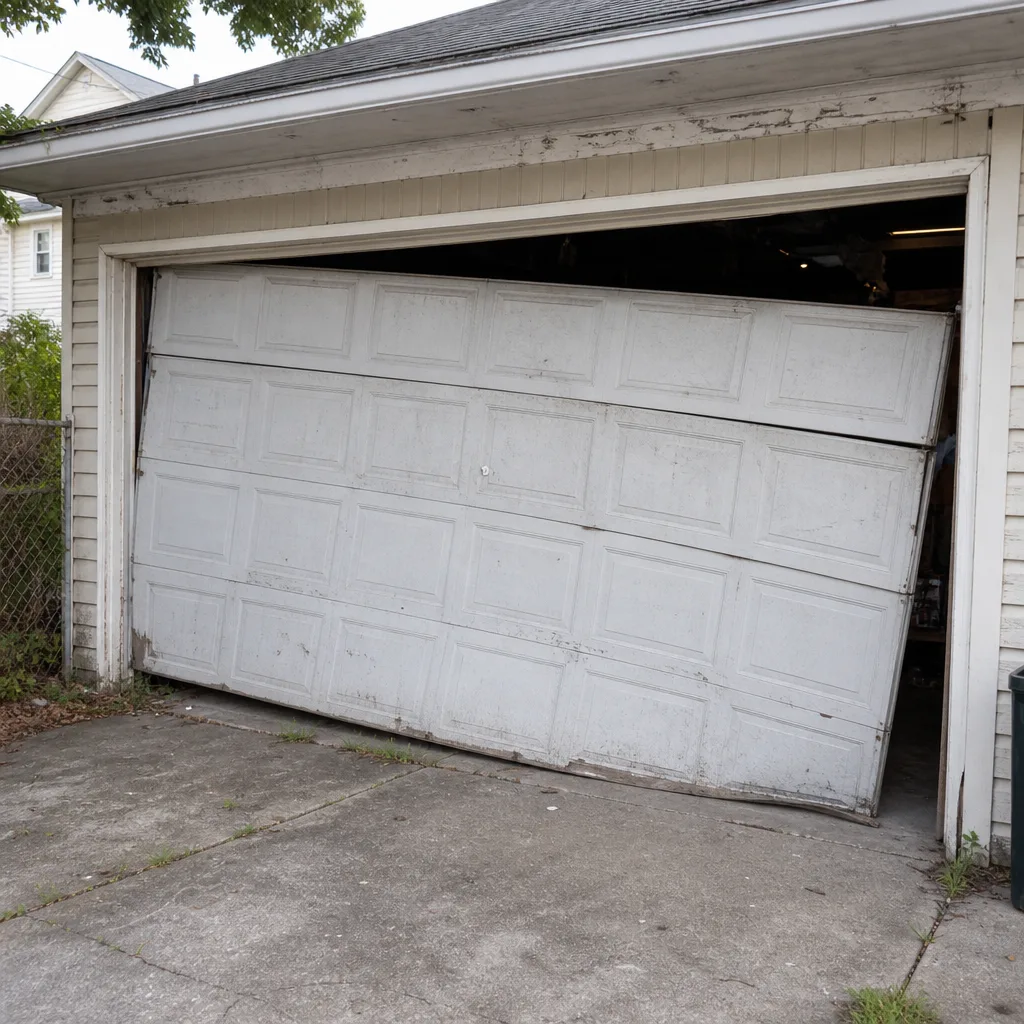 Before
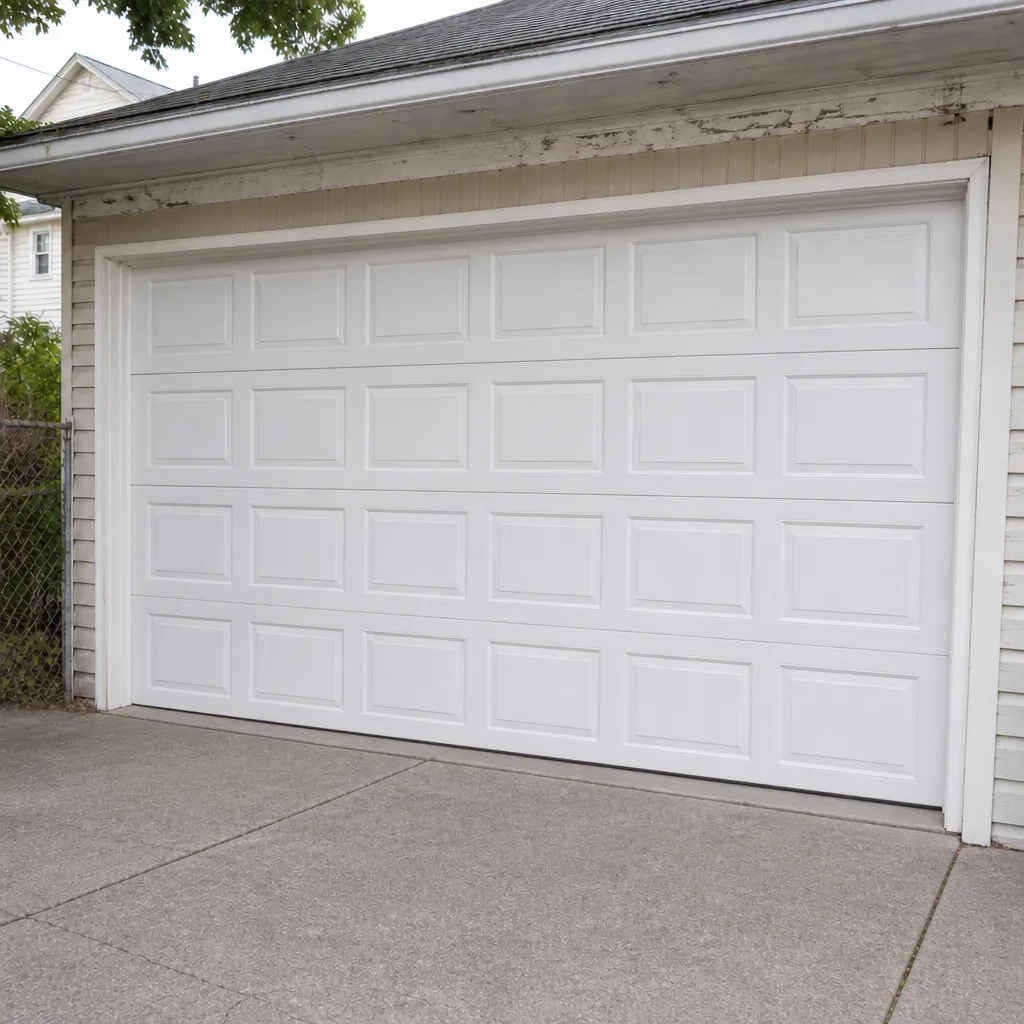 After
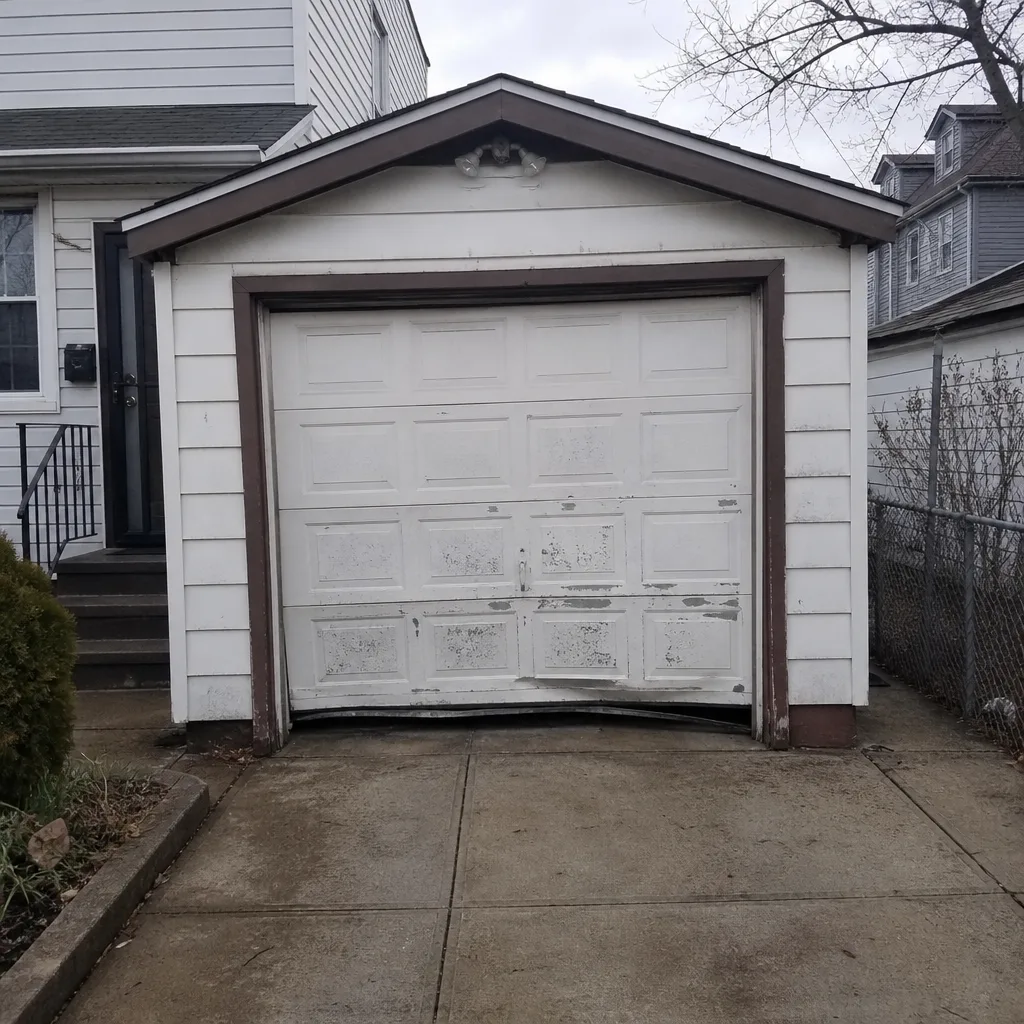 Before
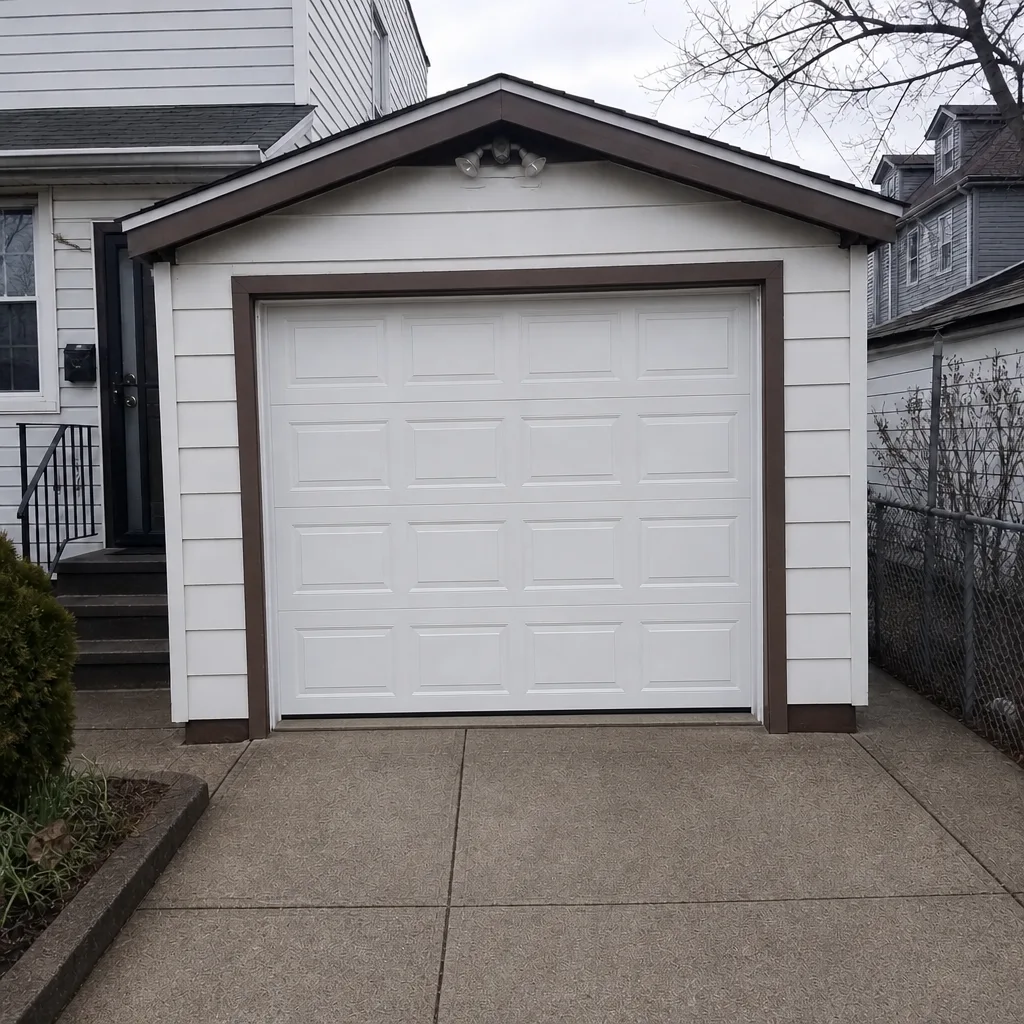 After
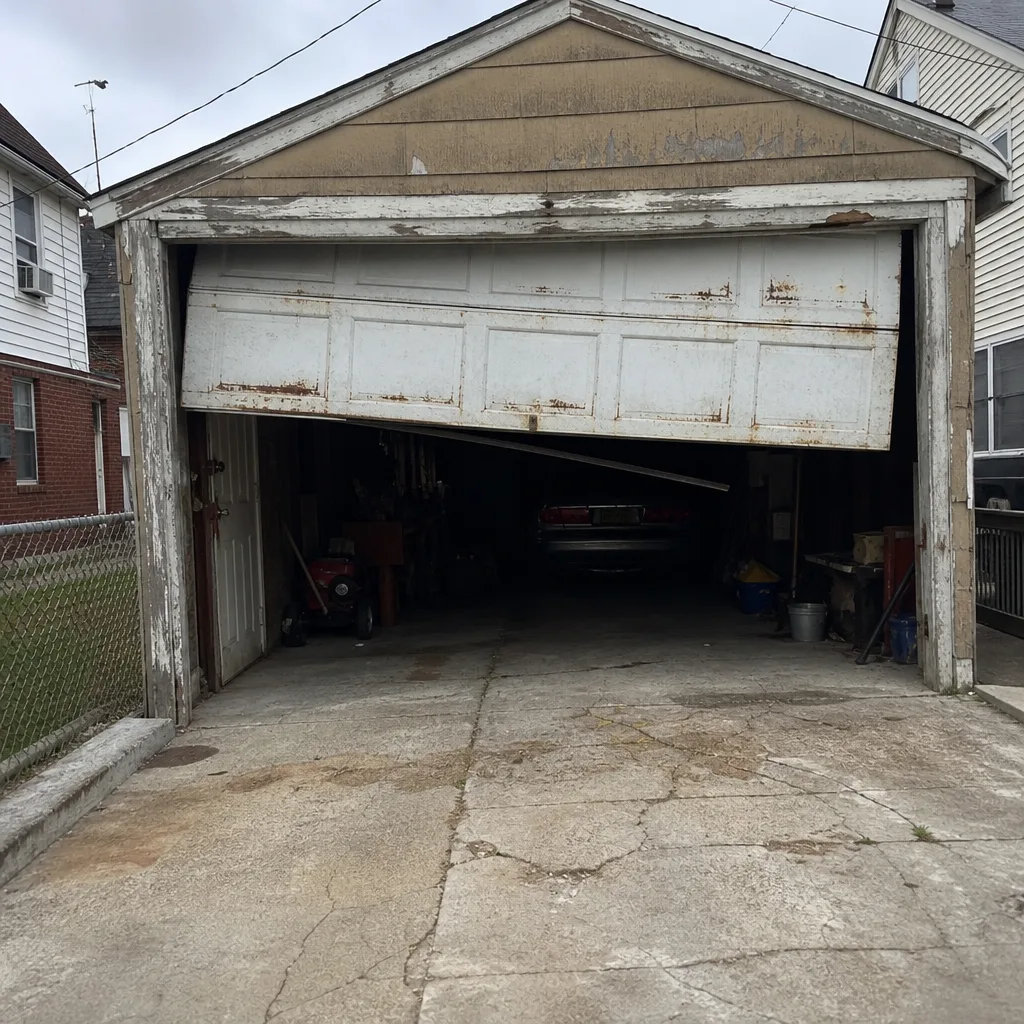 Before
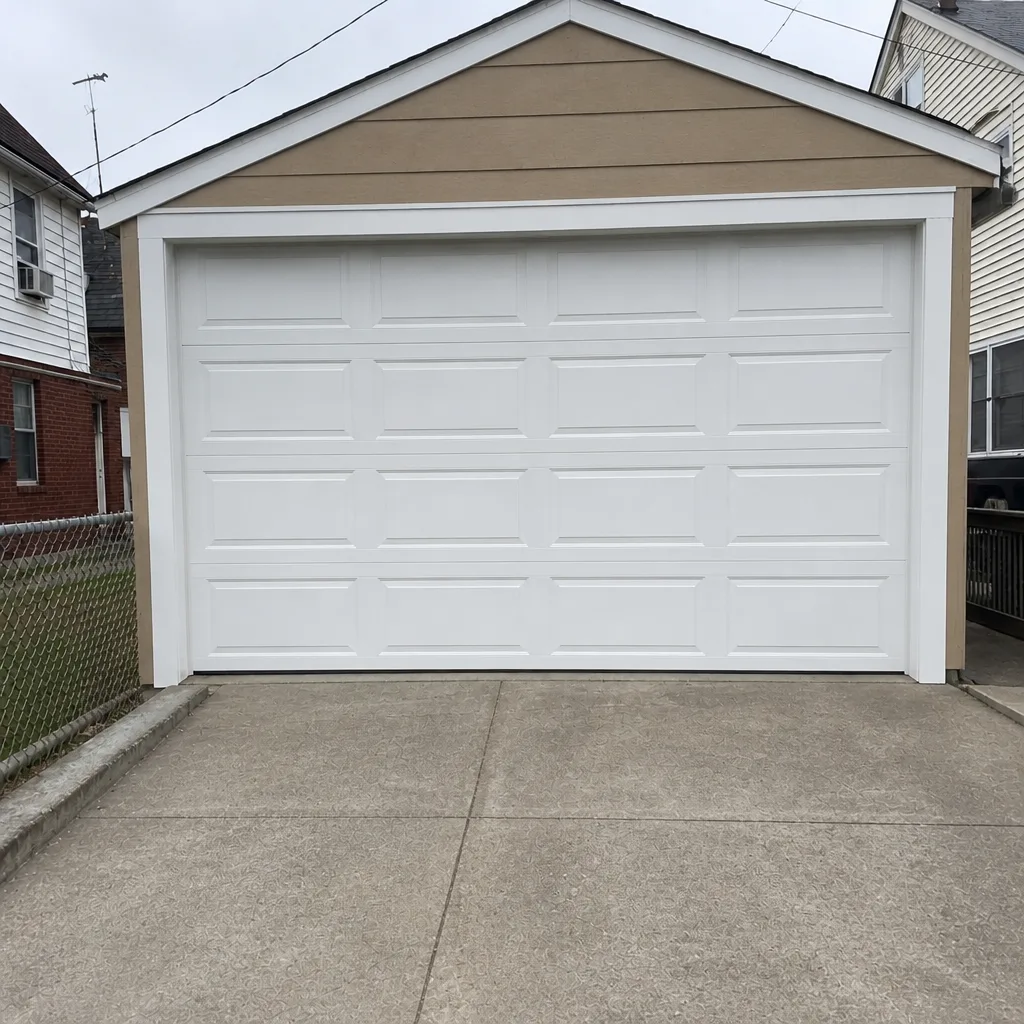 After
When to Call a Professional
Call a professional any time the door won’t balance on its own when you lift it by hand, when you hear a snap or bang from the springs, when the door comes off its track, or when a cable is hanging loose. Call us if the door is stuck and you can’t safely close it, especially overnight, because security and safety both matter. And call if your opener runs but the door doesn’t move after you’ve re-engaged the trolley. Garage Door Repair Soundview offers free estimates in Soundview, and our emergency service is a core part of what we do, not an afterthought. Call (866) 690-8121 and we’ll talk through the situation before anything else happens. If you’re not sure whether your issue is an emergency, call anyway; a two-minute conversation usually settles it.
Frequently Asked Questions
Pull the manual release cord hanging from the opener’s trolley, with the door fully closed, then lift the door by hand. The release disconnects the door from the opener so it moves freely. Test the weight first: a healthy door feels light, and a heavy door means a spring has failed and you should stop and call. Practice this release once with the power on so you’re ready the next time a winter storm takes the power out.
Sometimes, briefly. On a two-spring door where only one spring has failed, the door will usually lift by hand, carefully, so you can get the car out once. On a single-spring door, or when both springs are gone, do not lift it. Don’t keep working a door with a broken spring either, because forcing it can bend panels and turn a spring repair into a much larger one. Spring replacement is high-tension work and should be done by a trained technician.
Try to close it with the wall button first, then with the manual release, keeping one hand on the door so it doesn’t run. If it won’t close by hand, leave the trolley engaged so the opener provides resistance and call for help. Don’t prop a stuck door open with a ladder or board, and don’t try to bend panels back while the door is under load. Tell whoever you call what the door is doing and whether the opening is exposed.
Yes, and quarterly is the right rhythm. A battery backup that hasn’t been tested is a gamble, because these batteries lose capacity quietly as they age. Unplug the opener or disconnect the power, try the door, and note whether it runs at normal speed. If it’s slow or doesn’t move, the battery needs replacing.
No, if the job matches what we discussed. We quote the repair before any work starts and the written estimate sets the final price. If we find something different once we’re there, we’ll tell you what changed and what the new price is before we touch anything. You’ll never get a surprise invoice for work you didn’t agree to.
Because garage doors are the only thing we work on, and the job involves springs, cables, and openers that generalists often decline or outsource. We work on the major brands you’ll find on Soundview doors, including Amarr, Wayne Dalton, Craftsman, and Raynor, and we carry the knowledge to diagnose over the phone before we arrive. That focus is what makes the difference when your door is stuck and the car is inside. Call (866) 690-8121 for a free estimate.
The Bottom Line
Garage door emergencies in Soundview come down to three things: power outages, broken springs, and doors stuck in high wind. Each one is manageable if you’ve prepared. Practice your manual release while the power is on. Learn what your door feels like when you lift it by hand, so you know the moment a spring has failed. Test your backup battery quarterly. Print your opener’s model number and keep a flashlight and a card with our number near the door. And when the door won’t budge, don’t force it. Call (866) 690-8121, tell us what the door is doing, and we’ll help you decide what’s safe tonight and what can wait until morning.
Written by the team at Garage Door Repair Soundview.