Last updated November 21, 2026
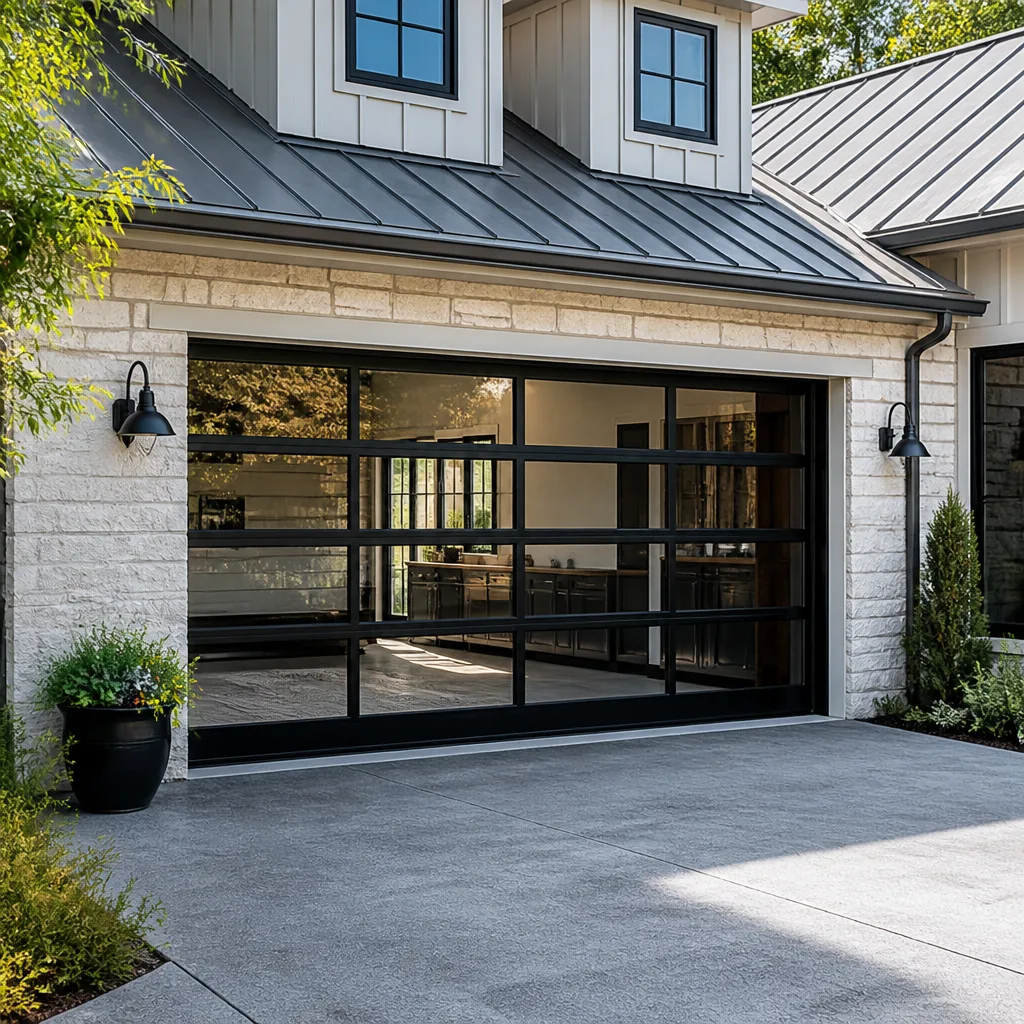 Full-view glass
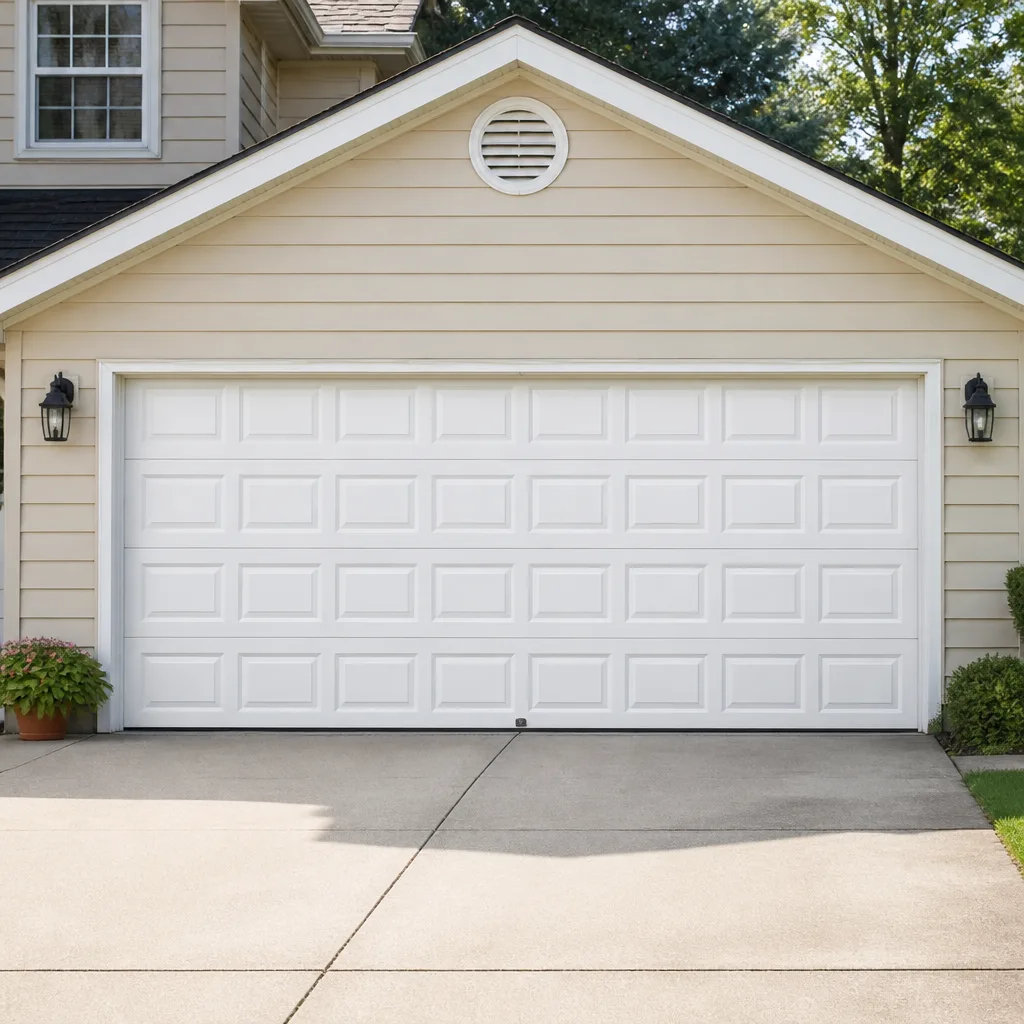 Raised-panel steel
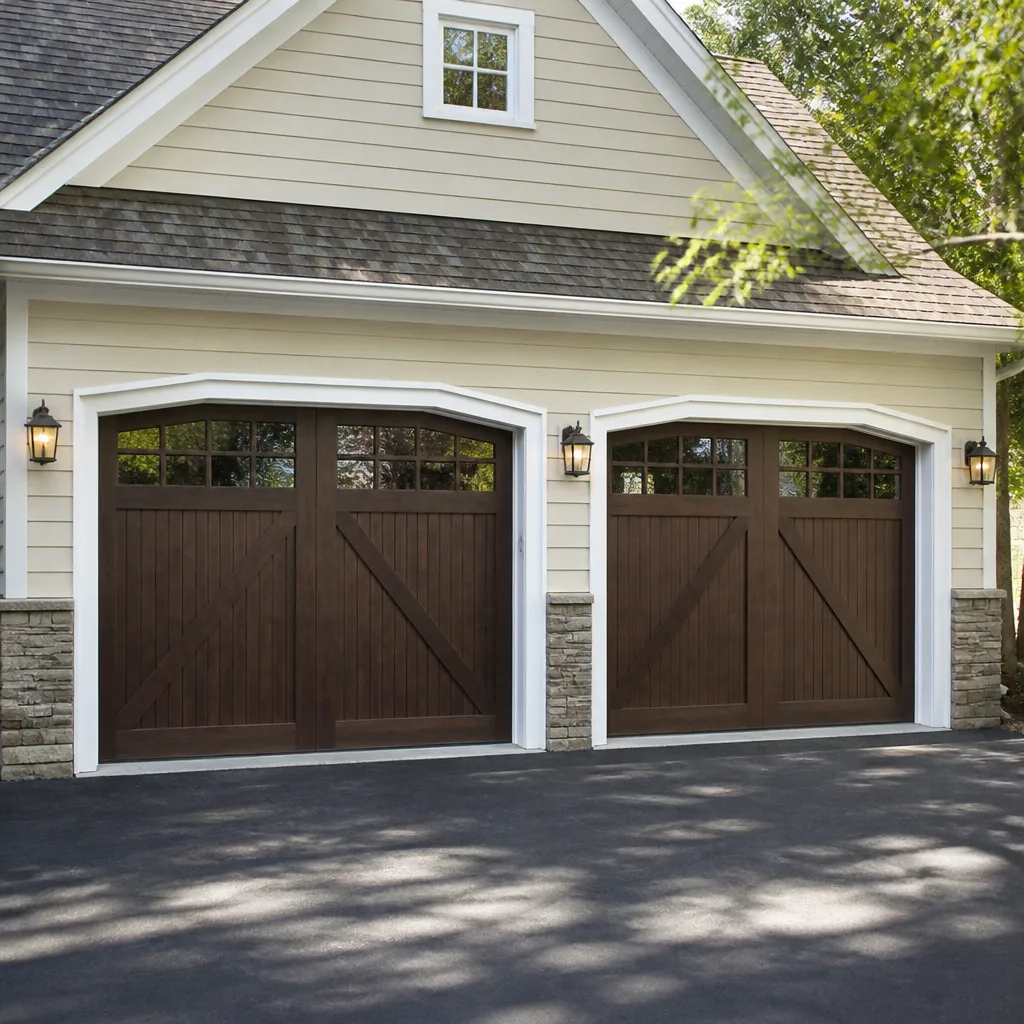 Carriage house
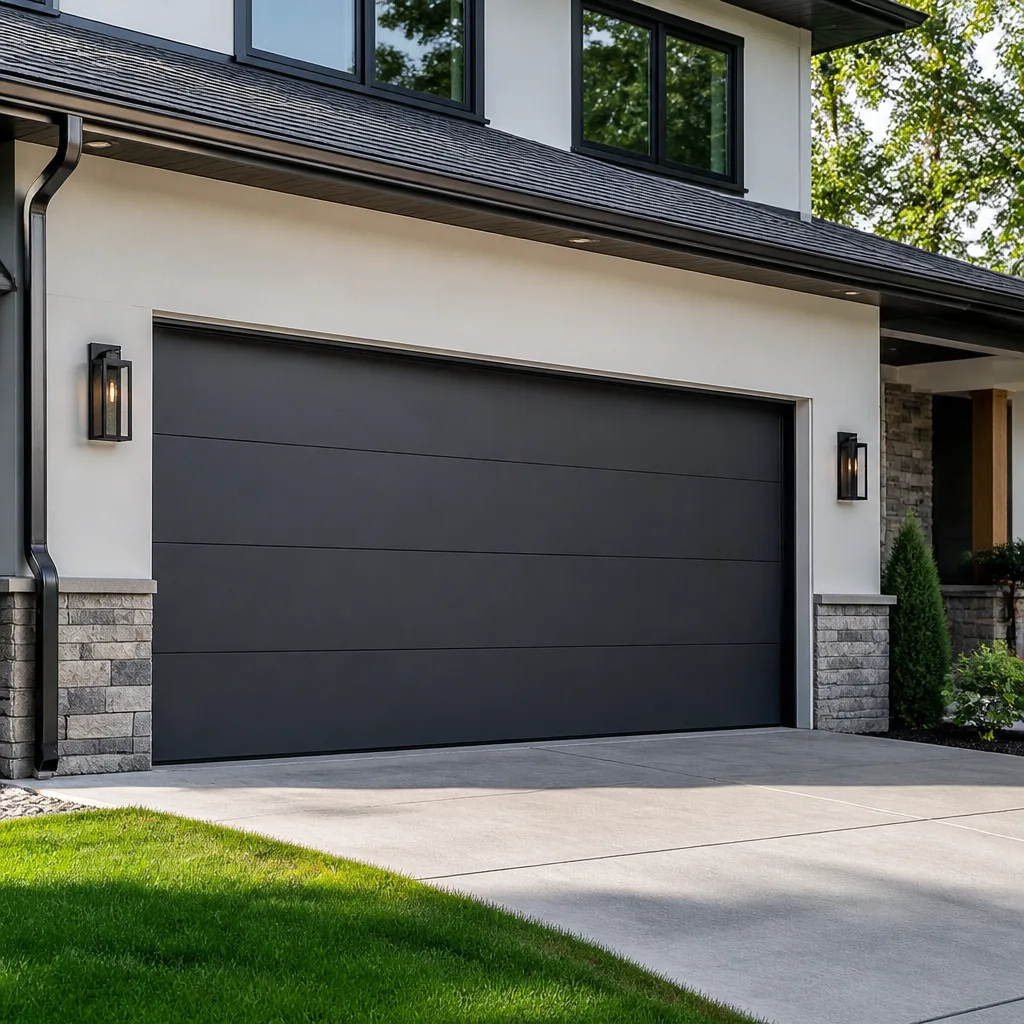 Modern flush
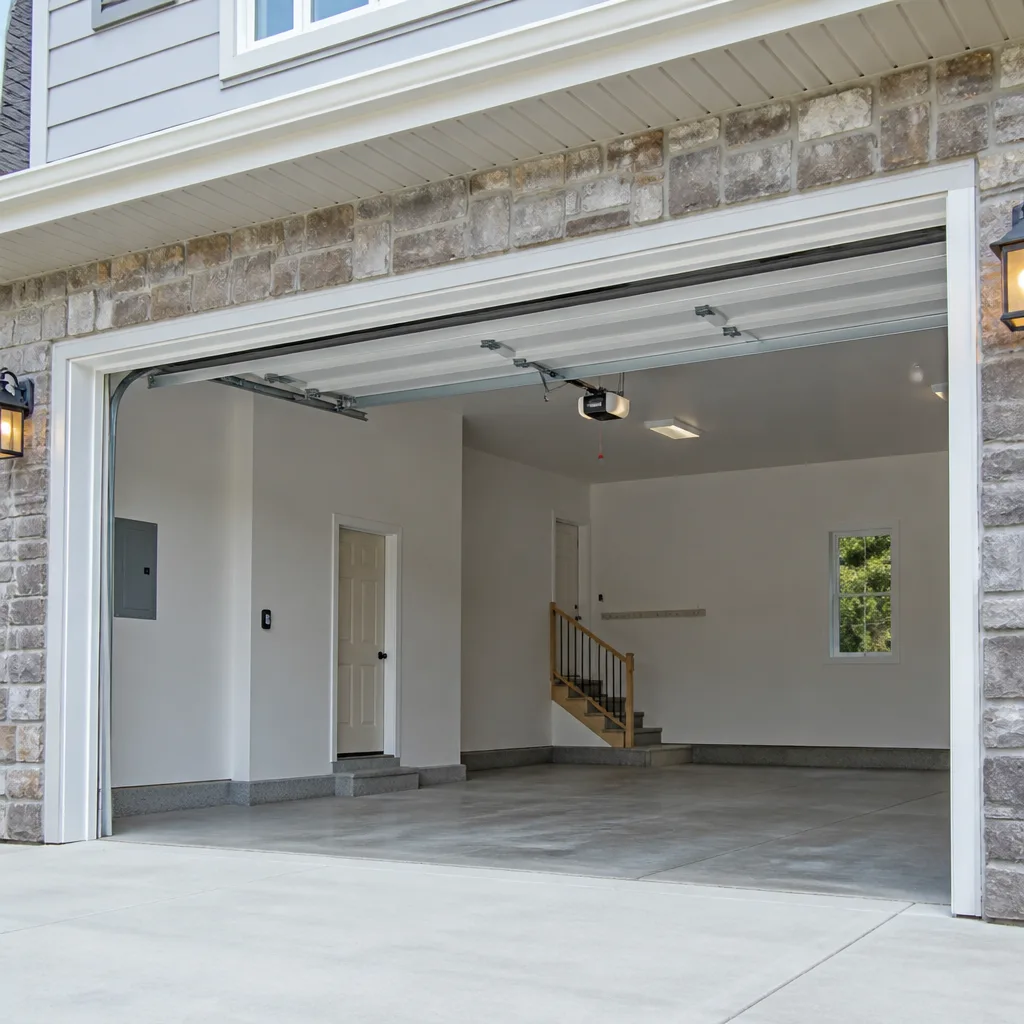 LiftMaster openers
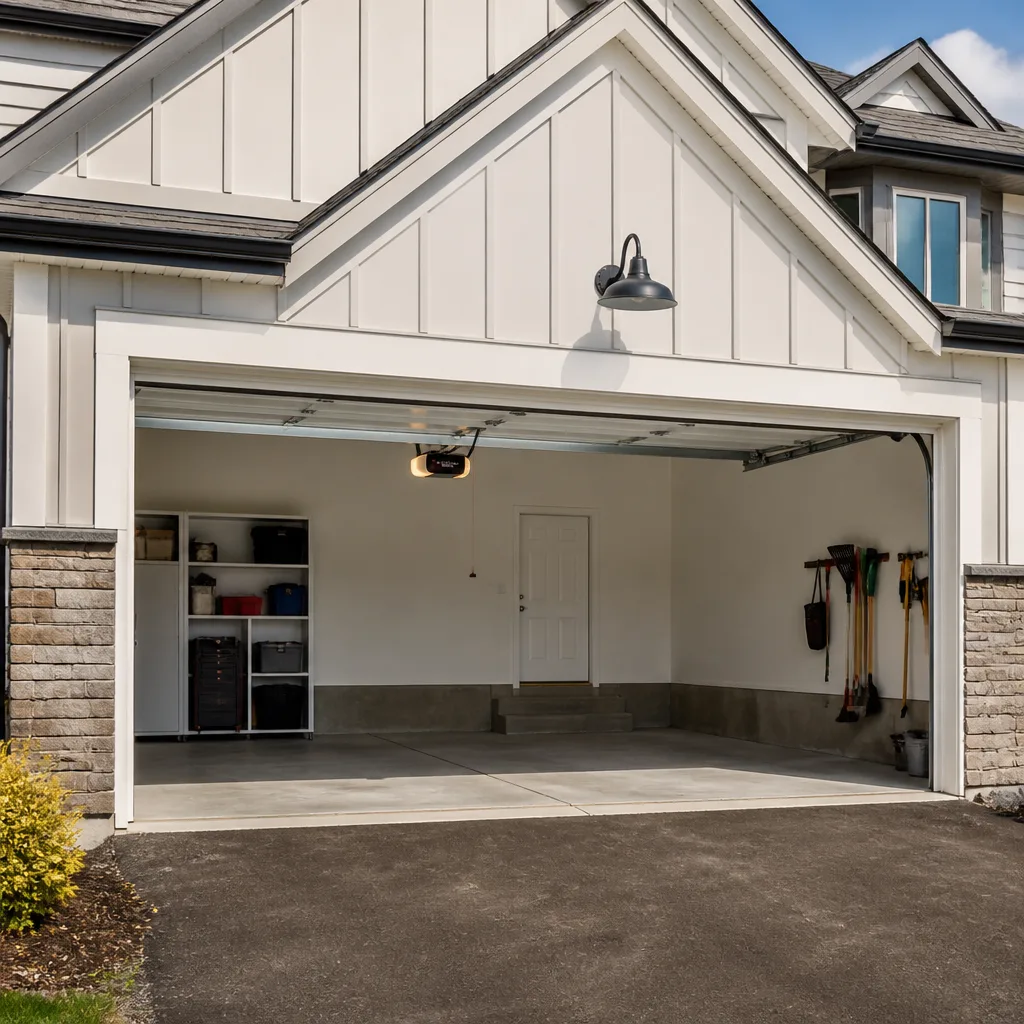 Chamberlain openers
Full 25-point door and opener safety check with every visit - springs, cables, rollers, tracks, and your LiftMaster or Chamberlain opener included
You get a price before we start. It does not change when the pro arrives.
Get your free estimateDIY vs Professional Garage Door: The Soundview Homeowner’s Decision Guide
A garage door torsion spring holds enough stored mechanical energy to break bones or worse, and there is no way to release that energy gently once you’ve lost control of it. That’s a physics fact, not a liability disclaimer. Yet torsion springs are exactly what a lot of DIY videos online tackle first, with a confident voice and a parts link in the description. The real question in Soundview isn’t whether you’re “handy enough” to work on a garage door. It’s whether you can draw an honest line between the tasks that save you money and the tasks that carry mechanical risk out of all proportion to those savings. This guide draws that line, task by task.
Quick Answer
Lubrication, weatherstripping, and visual inspection are legitimate DIY work. Spring adjustment, cable replacement, track realignment, and anything involving the opener’s high-voltage wiring are not, because a single slip releases stored force or live current with no second chance. For the DIY-safe tasks, a homeowner with basic hand tools does fine; for the rest, a garage door specialist is the right call, and here in Soundview the low-clearance garages and older framing make the professional side of that line wider than it is in most suburbs.
Styles & brands we work with
- Raised-panel steel
- Carriage house
- Modern flush
- Full-view glass
- LiftMaster openers
- Chamberlain openers
Table of Contents
- The task-by-task breakdown: what’s safe to DIY and what isn’t
- Why Soundview garages make standard DIY instructions less applicable
- The hidden cost of a DIY repair that goes wrong
- Springs and cables: the mechanical reason they’re off-limits
- Tracks and openers: where DIY effort quietly backfires
- How to verify a technician’s quote without doing the repair yourself
- The homeowner toolkit: what to own and what signals trouble
- A realistic upkeep routine for a Soundview garage door
The Task-by-Task Breakdown: What’s Safe to DIY and What Isn’t
Not every garage door job carries the same risk, and pretending otherwise is where homeowners get hurt or waste money. Here’s the split we use when a Soundview homeowner asks whether they should attempt something themselves.
Legitimate DIY tasks:
- Lubrication. A garage door has rollers, hinges, a torsion bar bearing plate, and a track that all benefit from a garage-door-specific lubricant a couple of times a year. No tools beyond a rag and a can. This is the single highest-value thing a homeowner can do to extend door life.
- Weatherstripping replacement. The bottom seal and the frame seal around the opening wear out and let in drafts, water, and pests. Replacing them is a pull-and-press job on most doors. No stored energy involved.
- Visual inspection. A monthly walk-around looking for frayed cables, sagging sections, loose hinges, or a door that no longer sits flush tells you when to call someone before a small problem becomes a breakdown.
- Photo-eye alignment and cleaning. The two small sensors near the floor get dusty or knocked out of line and the door refuses to close. Cleaning the lens and nudging the bracket back into position is safe and often solves the “door goes halfway down then reverses” complaint.
Not DIY tasks:
- Spring adjustment or replacement. Torsion and extension springs store force under tension. Adjusting them means releasing and re-tensioning that force. See the springs section below for why this is the most dangerous item on the list.
- Cable replacement. Cables carry the door’s full weight under tension. A cable that slips free while you’re working on it can swing with enough force to injure.
- Track realignment. Tracks are easy to bend out of square and hard to bend back accurately. A track that looks “close” is often why a door binds, wears its rollers, and eventually strips.
- Opener wiring and circuit board work. Openers involve line voltage at the outlet and low-voltage logic on the board. Both are better left to someone who does this every day.
If you’d rather not sort through it yourself, that’s what a focused specialist is for. When it’s time to book, you can reach Garage Door Repair Soundview for repair, opener, installation, or emergency work under one number.
Why Soundview Garages Make Standard DIY Instructions Less Applicable
Most garage door tutorials online are filmed in a suburban garage with a tall ceiling, a deep parking bay, and a clean pour slab. Soundview’s housing stock is a different picture, and it changes the risk math on DIY work.
Low headroom. A lot of garages in Soundview sit under a raised first floor or a tight roofline, which means less clearance above the door than the standard 12 inches most instructions assume. Low-clearance setups use different hardware, different track radius, and different spring mounting. If you follow a tutorial built for a full-height garage, you end up working on hardware that doesn’t match the video you’re watching. The tools slip, the tolerances are wrong, and the door fights you the whole way.
Older framing. Many Soundview homes have wood framing that has had decades to dry out, settle, and shift. The header above the door may no longer be perfectly square, which throws off track alignment on any door replacement. A professional measures that, works with it, and corrects for it. A homeowner chasing a video on a level garage floor will fight a problem that isn’t their fault but is unavoidably theirs to solve.
Close quarters to neighboring units. Tight side yards and shared walls mean the “walk around and check” step of a repair is often harder than it sounds, and ladders have less room to set safely. Working overhead in a cramped space with a spring under load is not where you want to be improvising.
Weather swings that stress the hardware. Soundview’s seasonal temperature swings push wood, metal, and seals through expansion and contraction every year. That means cables stretch, springs weaken unevenly, and track screws work loose at different rates. The maintenance tasks that matter here are the ones that involve checking and tightening, not the ones that involve releasing tension.
None of this means Soundview garages are broken. It means a cookie-cutter tutorial is a worse fit here than a professional who has seen these specific setups many times. For planned improvements, our garage door installation team works with this housing stock as a matter of course.
The Hidden Cost of a DIY Repair That Goes Wrong
The DIY case is built on saving money. But the savings calculation only works if the repair succeeds first time, and several common DIY mistakes don’t just cost you the original repair. They multiply it.
Damaging an opener. A door that binds against a misaligned track forces the opener to work against resistance it wasn’t designed for. That stress lands on the gear and the logic board. What started as a $150 track fix becomes a track fix plus an opener repair because the motor was dragging for a week before anyone noticed.
Bending a track. Tracks can be bent slightly out of alignment and still “look fine,” but every cycle wears the rollers and the door slowly chews through its own hardware. Six months later the whole door needs re-hanging. Bending a track back by feel usually makes it worse, because the flat surfaces that matter are only straight to a fraction of an inch.
Voiding a parts warranty. Springs, cables, and openers often carry a manufacturer’s warranty that requires professional installation to be honored. If a homeowner installs a replacement spring themselves and it fails, that warranty may not cover the replacement cost. The “saved labor” turns into a full do-over, and now the original purchase is money thrown away.
Spring failure during DIY. This is the big one. An extension spring that snaps free can travel across a garage with enough force to damage a car or a wall, and a torsion spring that unloads unexpectedly can lacerate or break bones. That’s not a cost you can put a line item on.
We’ve seen this pattern repeatedly in Soundview. The homeowner’s instinct to save the labor cost is reasonable. What gets missed is that the cost of the failure dwarfs the cost of the labor. When you compare the two properly, the DIY savings is often a fraction of what a failed repair puts back on your ledger.
For the jobs where DIY money would be spent anyway, that’s what a free estimate is for. Call (866) 690-8121 and we’ll tell you the honest scope before any work starts.
Springs and Cables: The Mechanical Reason They’re Off-Limits
A garage door spring looks simple and isn’t. That’s the trap. It’s a coiled length of steel that holds a door hundreds of pounds heavy in a state of balanced tension. Every time the door opens and closes, that spring gives and takes back energy. Over time the metal fatigues, and eventually it fails. The failure mode, not the part, is the risk.
Torsion springs. Mounted on a bar above the door, wound tight under tension. When a tortsion spring breaks, it unwinds across the top of the door. There is no way for a homeowner to control that release with hand tools. Adjusting a torsion spring means actually increasing tension by turning a winding bar, which is a two-person, deliberate, dangerous job even for professionals.
Extension springs. Mounted along the sides of the track, and when one snaps it can leave the assembly with a violent snap. That’s why most extension spring setups include safety cables routed through the spring to catch it. If those safety cables are missing or loose, the spring is unrestrained and genuinely hazardous.
Cables. Steel cables run from the bottom corner brackets up to the drums, carrying the full weight of the door. Cables are under constant tension. A loose cable that slips its drum can whip back with serious force. Replacing a cable means unloading the spring first, working overhead, and re-tensioning everything to spec. That’s a professional job.
Our team does spring replacement as one of our core services, and it’s the reason so many Soundview calls come in as emergencies. When it can’t wait, an emergency service has to be handled by someone who does it constantly, not by someone working it out from a video at 11 p.m. If your door is dead now, see our garage door repair page for the fastest path back to a working door.
If a spring has broken, do not try to operate the door. It may be held up by a single remaining spring or by the opener alone, both of which are stressed beyond design. Close the door if it’s safe to, keep people and cars clear, and call for help.
Tracks and Openers: Where DIY Effort Quietly Backfires
Track work and opener work look more forgiving than spring work, and that’s exactly why homeowners get burned. Neither is likely to hurt you in a single dramatic incident, but both reward a light touch and punish one that’s slightly off.
Track timing. A garage door runs on the principle that both tracks are true and parallel, plus the hinges and rollers line up as the door moves through its arc. If you force a track back by hand, the door might operate for a week and then start grinding. The wear shows up as stretched hinges, flat-spotted rollers, and eventually a door that binds at one point in the cycle. Tracks are corrected with measurement, not by eye.
Opener force settings. Modern openers have a force adjust and a travel limit. Homeowners often tweak these to make a door close “more firmly.” That adjustment is a safety mechanism: it exists so the door reverses on contact. Over-tightening the force setting turns off that protection.
Photo eyes and safety beams. These matter more than they get credit for. If the eyes are misaligned, dusty, or set too high, the door won’t close, or it closes and reverses at random. Fine. But if the eyes are defeated (wired around or taped over to make the door work), you’ve removed the only thing that keeps the door from coming down on a child or animal. Never bypass them.
Brand-specific quirks. Openers from LiftMaster, Chamberlain, Genie, and Craftsman each have their own travel-limit procedure, force-adjust method, and sometimes a remote-programming sequence that differs by wall control. A general handyman working off a video is often guessing. Our technicians work on all of these plus Amarr doors, so we know the adjustment procedures by their specific model families. If your opener is misbehaving, our garage door opener repair service is the direct route.
When to stop and call. If the door reverses without hitting anything, if the opener hums but doesn’t move the door, if the same adjustment keeps needing to be made again, or if you’ve spent more than 30 minutes on something that was supposed to be simple, stop. Most of the costly opener repairs we handle in Soundview start as a small problem that was made bigger by trial-and-error adjustment.
How to Verify a Technician’s Quote Without Doing the Repair Yourself
Homeowners ask us this all the time, and it’s a fair question. If a technician says your springs are shot, how do you know? We’d rather you verify than not, because a homeowner who trusts their verdict is a homeowner who isn’t second-guessing every line item. Here’s the right way to do it.
- Ask for the diagnosis in plain language and a photo. A broken spring is visible: a clean split in the coil. A worn cable has broken strands. A bent track shows obvious misalignment. If the technician can’t show you, ask why not.
- Ask which parts are being replaced and why. The written estimate should list specific parts: springs by size, cables, rollers, hinges. If the quote is a lump-sum “repair the door,” ask for the breakdown.
- Ask whether the springs are at end of life or failed. A single broken spring usually means the matched pair is done, because the surviving spring is about to fail too. If both are being replaced, that’s correct, and it’s fair to ask them to explain why a pair is better than one.
- Get a second opinion on the estimate, not on the door. A second estimate is the right tool. A second opinion does not mean “take the door apart yourself and see if they’re right.” A second professional can inspect the same door and give you a second written estimate. That’s the check you want.
- Confirm the price is agreed before work starts. A quote is a physical number. If a technician starts work without a written price, that’s a red flag. Every job we do starts with an agreed price, and that price is the price.
This is a reasonable process for any homeowner in Soundview, and we don’t mind if you use it on us. If a technician tells you something you’re not sure about, call us at (866) 690-8121 for a free estimate and see what a second opinion looks like.
The Homeowner Toolkit: What to Own and What Signals Trouble
Tools tell the story of what a homeowner should and shouldn’t attempt. If a job needs tools you already own, there’s a chance it’s DIY-friendly. If the job needs a specific tool you’d have to buy for the job, that’s a strong signal the job belongs with a professional.
Tools it makes sense to own for garage door upkeep:
- A can of garage-door-specific lubricant and a rag.
- A standard screwdriver set and a socket set for tightening hinges, brackets, and the bolts on the track.
- A level and a tape measure for checking the door sits flush and for measuring the opening if you’re pricing a replacement.
- A soft brush or vacuum for the photo-eye lenses.
- A pair of safety glasses and work gloves for using around the door.
Tools that point to a professional job:
- Torsion winding bars. These are sold as a pair. Owning them means you’re intending to wind a torsion spring, which is one of the high-risk parts of the trade. The tools don’t make the job safe; they’re how we keep the spring under control.
- Cable puller or drum-winder. If you’re buying one of these, you’re already into cable work.
- Spring-winding jig for low-clearance installs. Soundview’s tighter garages sometimes need a different mounting approach, which changes the tools again. This is the kind of tool that only makes sense if you’re doing the job repeatedly.
- Multimeter for opener diagnostics. Checking line voltage at the outlet or continuity on a limit switch is a professional skill. Not a place to improvise.
The rule is simple: if the tool cost is comparable to the job cost, you’re not really saving anything. When you’re buying tools for a one-time job, that’s the signal that a professional quote is the honest move. For a brand-focused specialist near Soundview on anything from Wayne Dalton to Raynor, that’s what we do. And if you’re planning any larger work, our maintenance schedule below tells you what’s worth staying ahead of.
A Realistic Upkeep Routine for a Soundview Garage Door
A little upkeep prevents the majority of garage door emergencies we see in Soundview. Here’s the routine we recommend, mapped to the seasons.
- Every month: Walk around the door while it’s closed. Check for anything that binds, a door sitting unevenly, a bent panel, or a fraying cable. Wipe down the photo eyes. This takes five minutes and catches problems before they become emergencies.
- Twice a year (spring and fall): Lubricate the rollers, hinges, torsion bar bearing, and track with a garage-door-specific lubricant. Check the track bolts and tighten anything that’s worked loose. Test that the door reverses on contact with a small object.
- Once a year (fall, before the cold): Inspect the weatherstripping on the jambs and across the bottom of the door. Replace anything that’s cracked or compressed. Check your extension spring safety cables are in place and not slack. Look for rust on the springs and cables.
- Before a heavy season: If you’ve noticed the door has gotten harder to open manually, or if you can’t lift it by hand alone, that’s the sign a spring is weakening. Have it checked before it breaks on a Sunday morning. That’s the moment a repair turns into an emergency.
Maintenance is the area where DIY pays off most reliably. A homeowner who does the monthly walk-around and the twice-yearly lube is doing the same diagnostic work we do, just on a smaller scale, and it helps them call us at the right time instead of having to wait for a breakdown.
Common Mistakes to Avoid
- Attempting a spring replacement because a video made it look easy. The video is on the one setup that was easy for that particular camera angle and garage. Your Soundview low-clearance garage isn’t the same assembly, and the spring doesn’t care how confident you feel.
- Disconnecting the opener and operating a door by hand for too long. A door with a broken spring may weigh far more than a person can safely lift. Forcing it up by hand can damage the door, the opener, or your back.
- Adjusting opener force settings to “fix” a reversed door. Increasing the force setting disables the safety reversal. That’s the mechanism that protects a small child or a pet, and it shouldn’t be touched to compensate for a different problem.
- Taping or wiring around the photo eyes. This makes the door close but removes the only feature that stops it from coming down on someone. Never bypass it.
- Buying a replacement opener at a box store for a door the opener doesn’t match. A new opener that’s undersized for the weight of an older Soundview door will work briefly and then fail. The door’s weight, not the opener brand, is the starting point.
- Assuming a general handyman covers garage doors. Many do not, because springs and cables are outside what a general service typically handles. A focused garage door specialist is a different call.
- Ignoring a door that’s been “getting harder to lift” for months. That’s a spring on the way out. Staying ahead of it is cheaper than responding to it after it fails.
See the difference
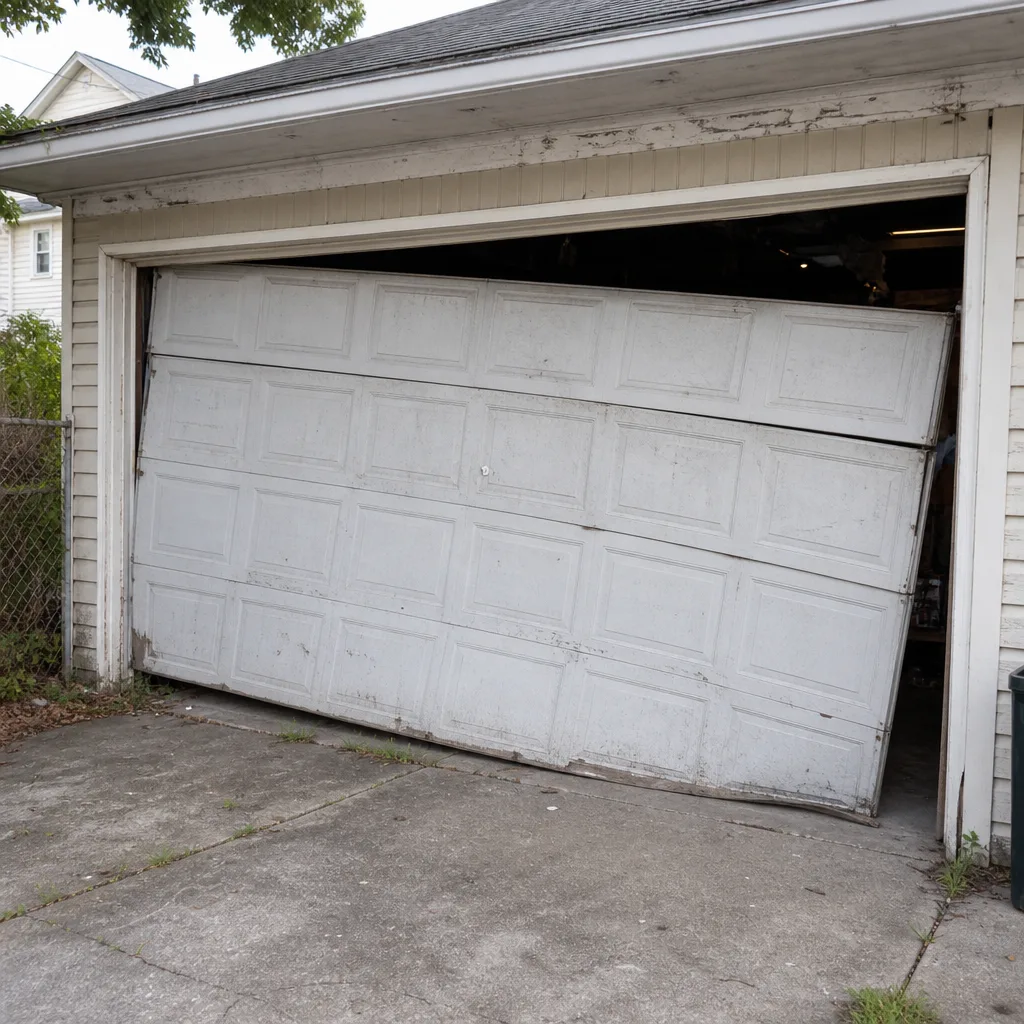 Before
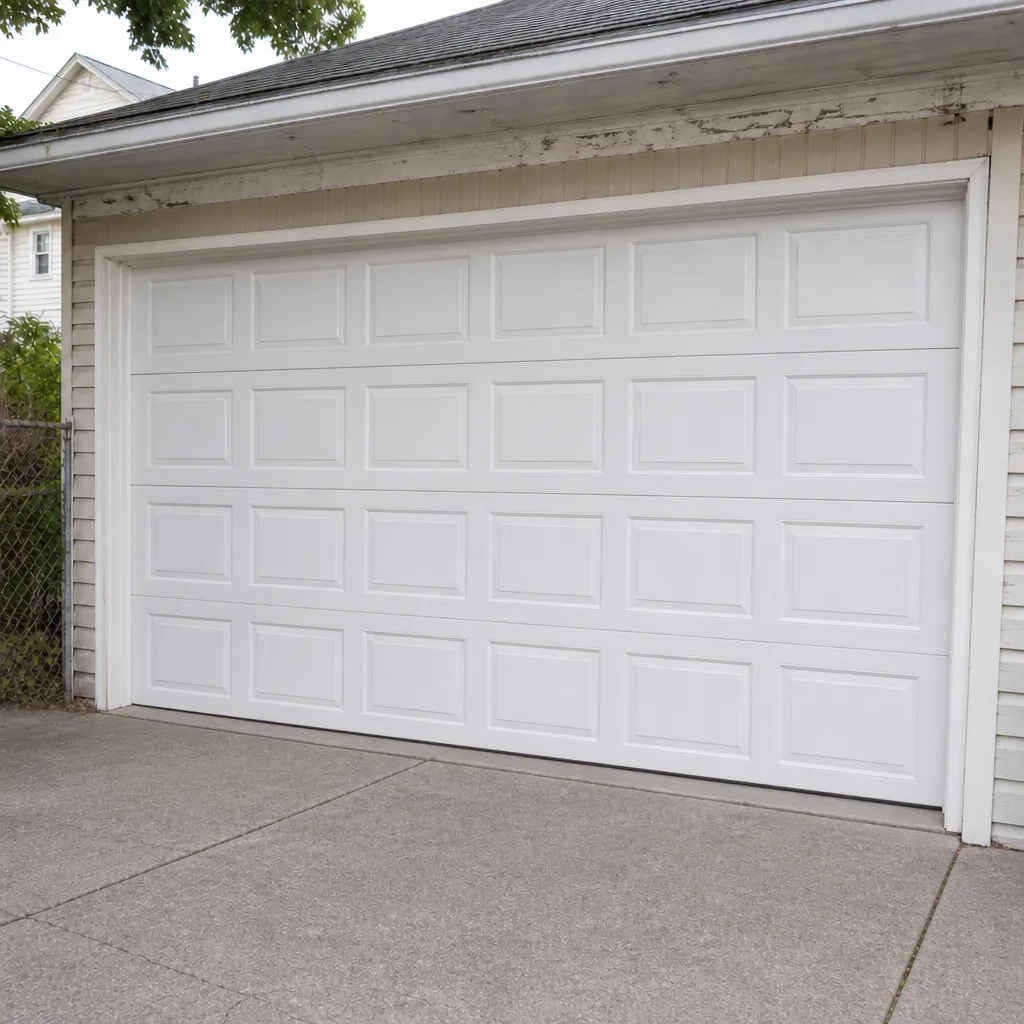 After
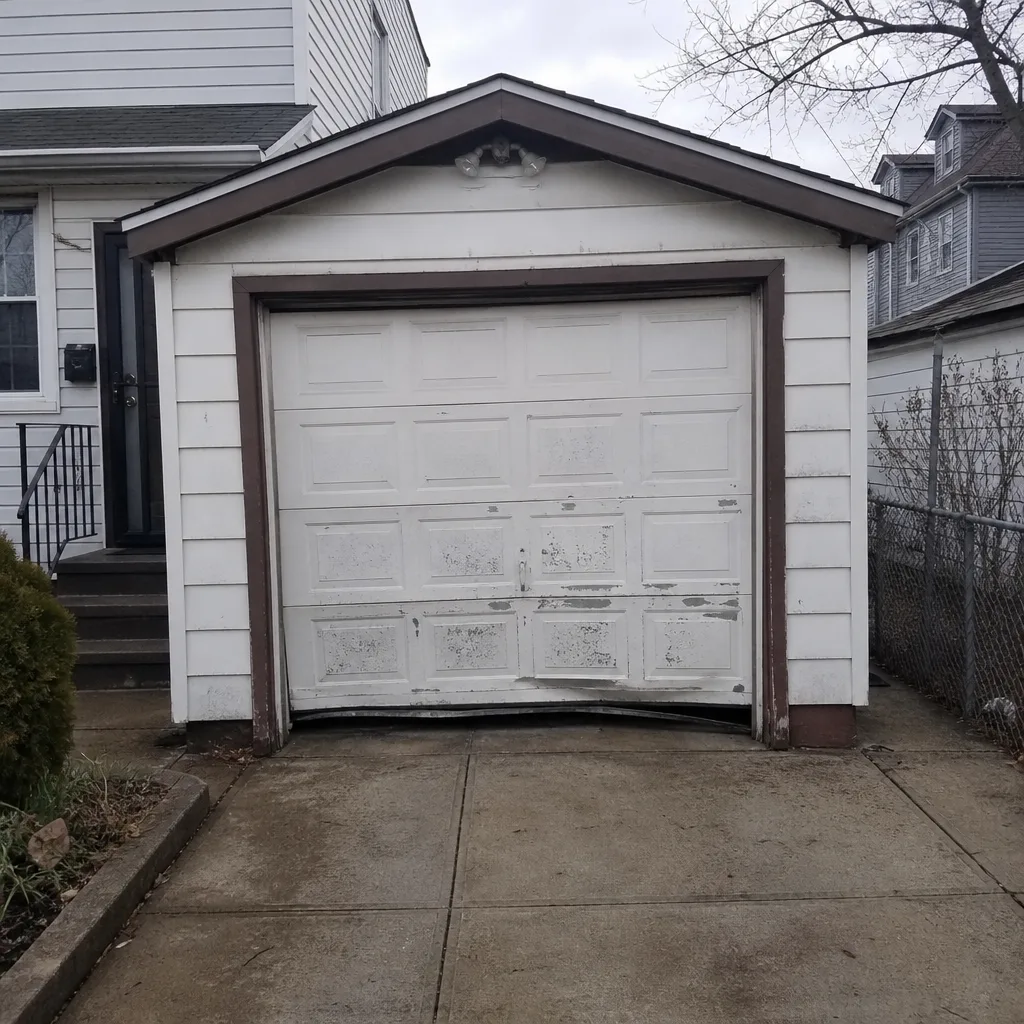 Before
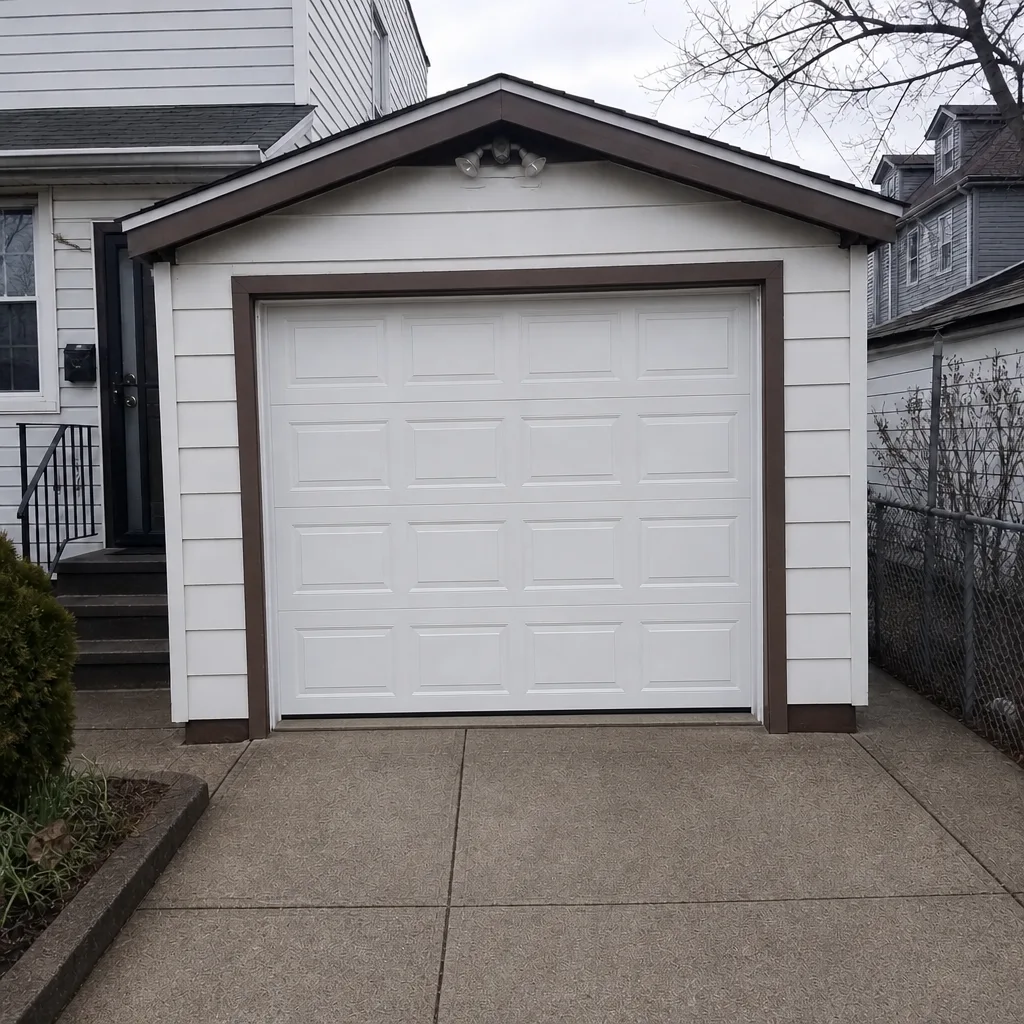 After
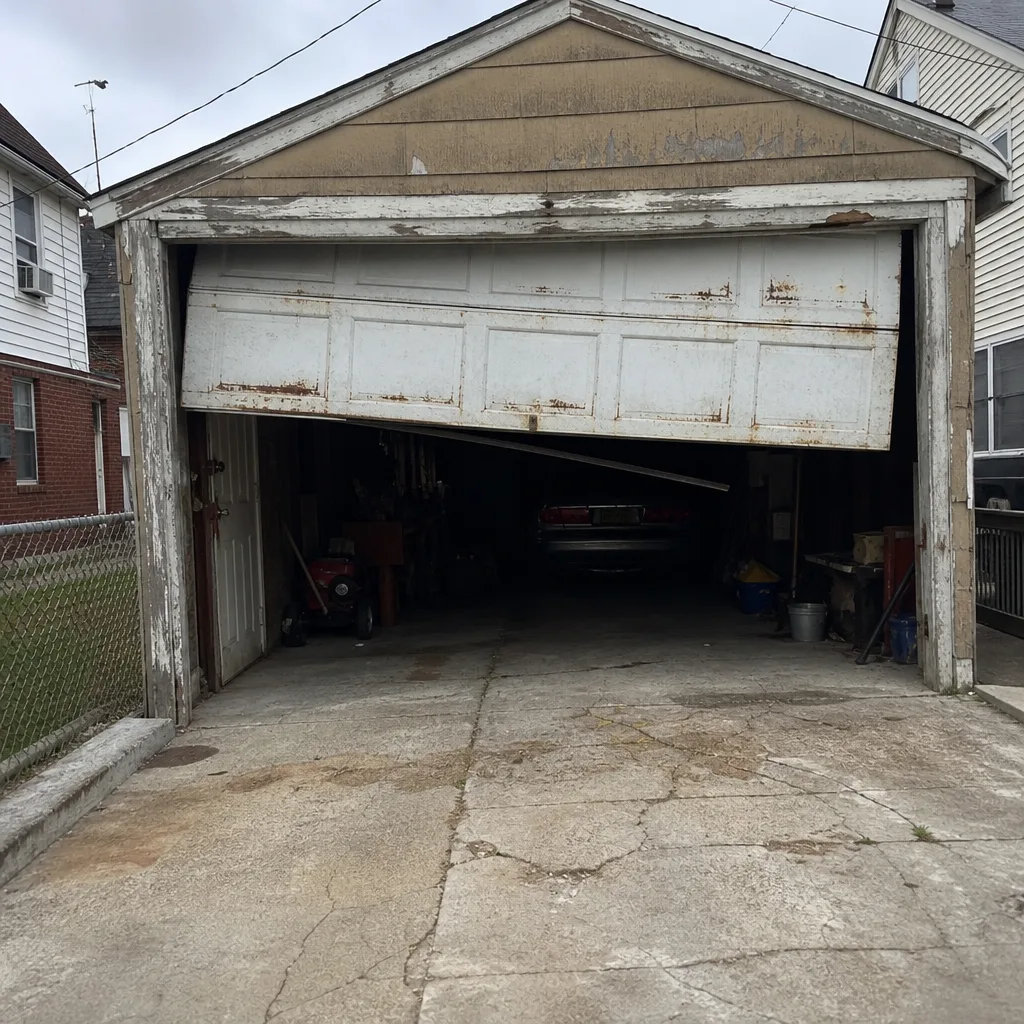 Before
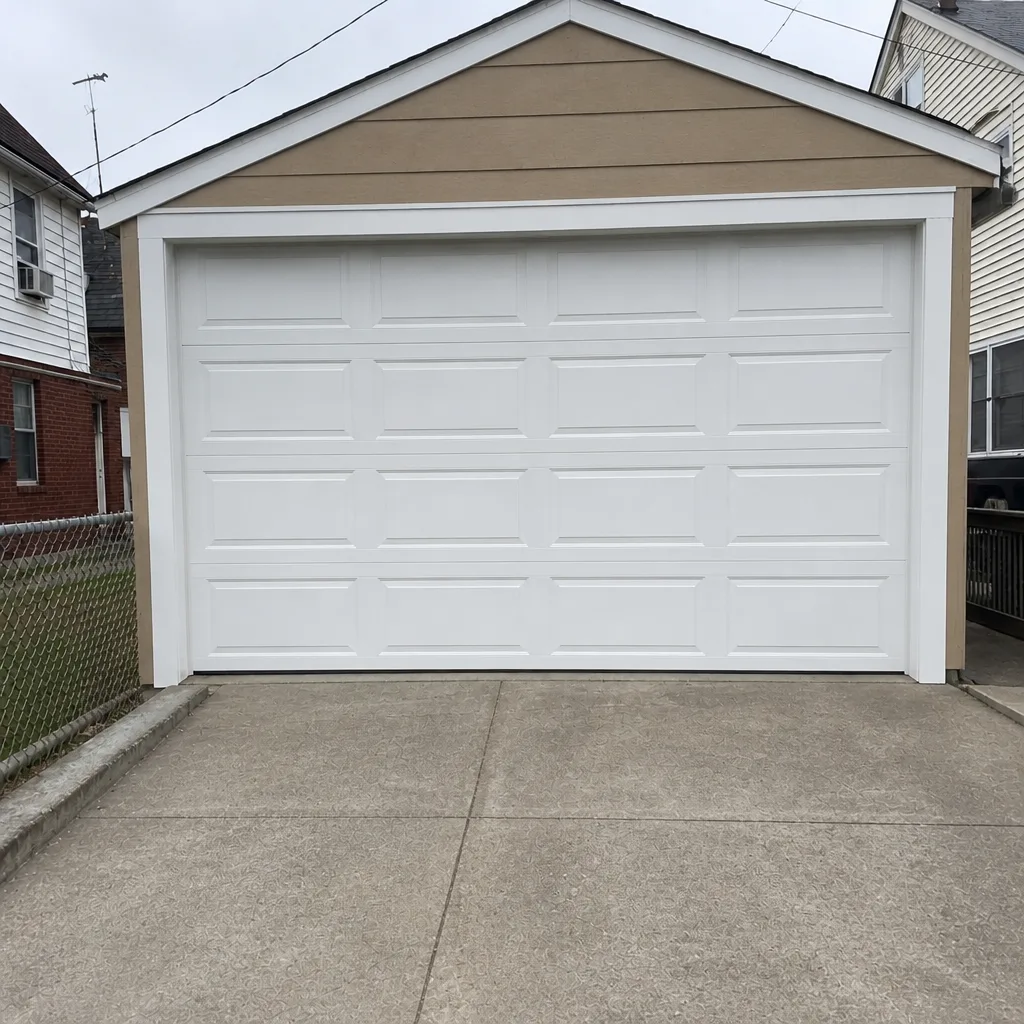 After
When to Call a Professional
Some jobs are clearly professional territory; others sit in a gray zone until they don’t. Call us when a spring has snapped, when cables are frayed or loose, when the door is off its track, when it comes down unevenly, when the opener hums without moving the door, when the photo eyes have been bypassed, or when you’ve realized the “simple” fix is beyond what you want to take on. Call us also for the jobs that look DIY-friendly but aren’t, like replacing a torsion bar assembly on a low-clearance door. For the tasks that are genuinely safe to DIY, we’re happy to tell you that too. Garage Door Repair Soundview offers free estimates in Soundview. Call (866) 690-8121 and we’ll get you a straight number before any work starts.
Frequently Asked Questions
A single torsion spring replacement is typically measured by the door’s weight and spring size, and a matched pair is usually replaced together because the surviving spring is close to failure. Most jobs in Soundview run a couple of hundred dollars as a starting point, and the written estimate you get before work starts sets the final price. For a real number on your door, call us at (866) 690-8121 for a free estimate.
We don’t recommend it. Torsion and extension springs store the full weight of the door under tension, and releasing that energy without control can cause serious injury. The correct tools (winding bars, drum winders) are not enough on their own. A trained specialist is the safe choice.
Lubricating the rollers, hinges, and track; replacing the bottom seal and jamb weatherstripping; cleaning and aligning the photo eyes; and a monthly visual inspection are all reasonable DIY jobs. Anything involving springs, cables, tracks, or the opener’s internal wiring is not.
Emergency garage door service is a core part of what we do, and a door that won’t open or close is a call we take seriously. We’re a garage door specialist, not a general contractor, so the person who arrives works on garage doors every day. Call (866) 690-8121 for a free estimate and same-day scheduling on emergency calls.
Yes, the technicians we send are licensed and insured as their state requires. Our technicians have up to 12 years of experience and work exclusively on garage doors, including equipment from LiftMaster, Chamberlain, Genie, Clopay, Amarr, Wayne Dalton, Craftsman, and Raynor.
No. The written estimate you get before any work starts is the price you pay. If we find something different once we’re in front of the door, we’ll tell you exactly what it is and what it will cost, and the work only goes ahead once you agree. Call (866) 690-8121 for a quote.
The Bottom Line
The DIY-vs-professional question for garage doors is not about whether you’re capable. It’s about which tasks are worth the risk. Lubrication, weatherstripping, inspections, and photo-eye care are worth doing yourself because they keep small problems from becoming big ones. Springs, cables, track work, and opener internals are a different category: the failure mode is severe, and the savings on labor are small compared to what a failure costs. In Soundview, the tighter garages and older framing push the pro-pays-for-itself line even further toward the professional side. Start with a free estimate, get the price in writing, and call us when you need to.
Ready for a straight answer on your door? Call Garage Door Repair Soundview at (866) 690-8121 for a free estimate. We work on all eight major brands, we handle emergency service, spring replacement, opener repair, and full installation, and we’ll tell you honestly whether your job is one you can do yourself or one you should leave to us.
Written by the team at Garage Door Repair Soundview.